May 4
Oh Boy! Dover. There’s not much here. Last visit found us traveling to Canterbury for a day….which was OK …once. Tomorrow, I think that we’ll focus on exercise and packing.
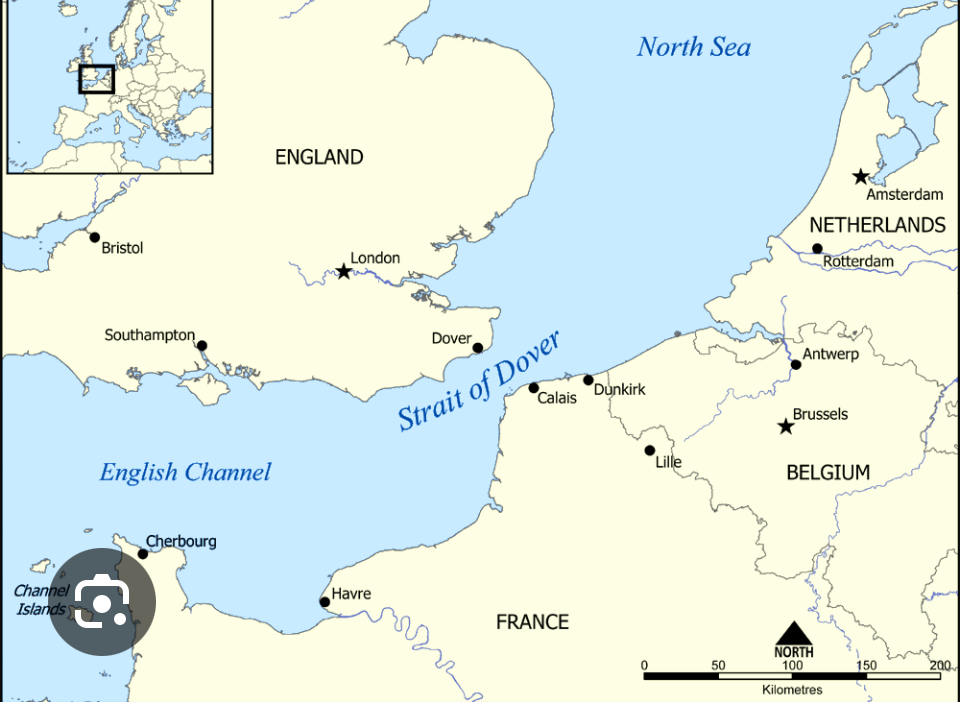
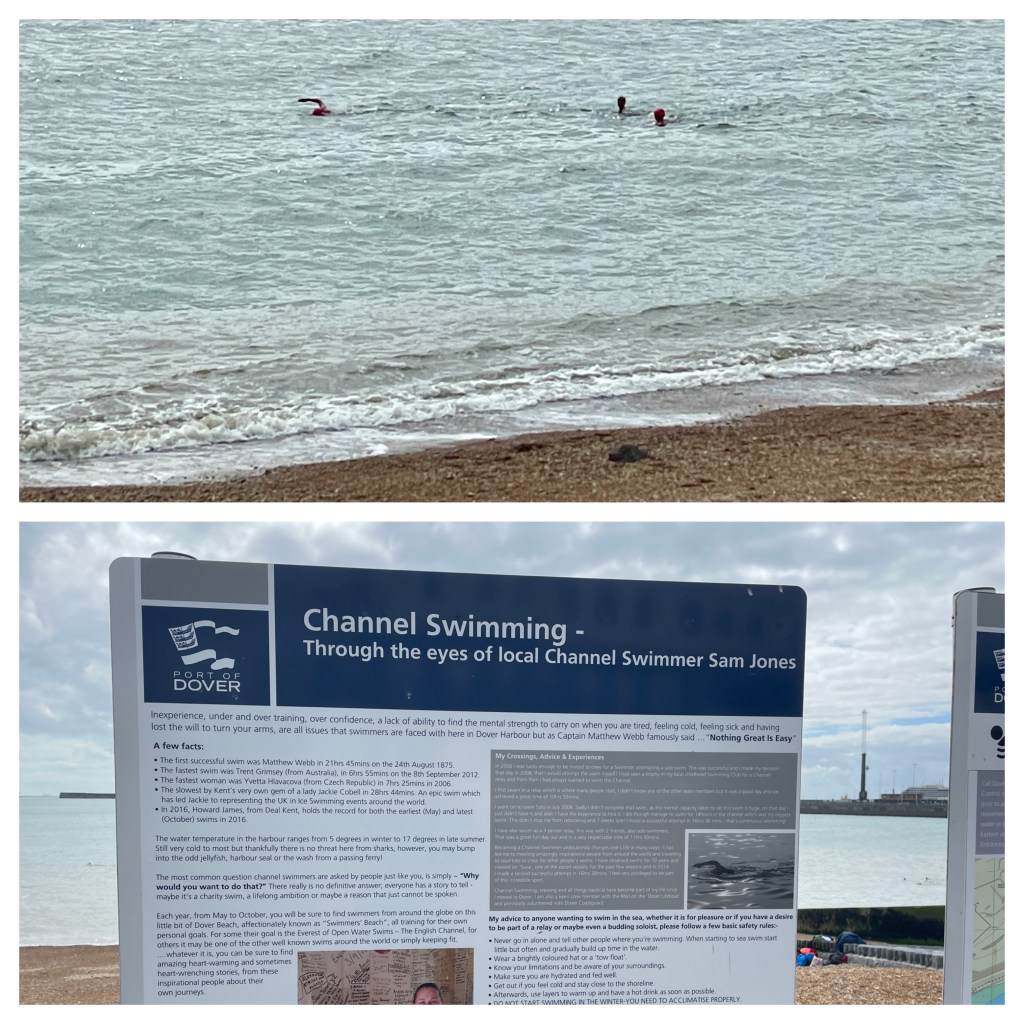
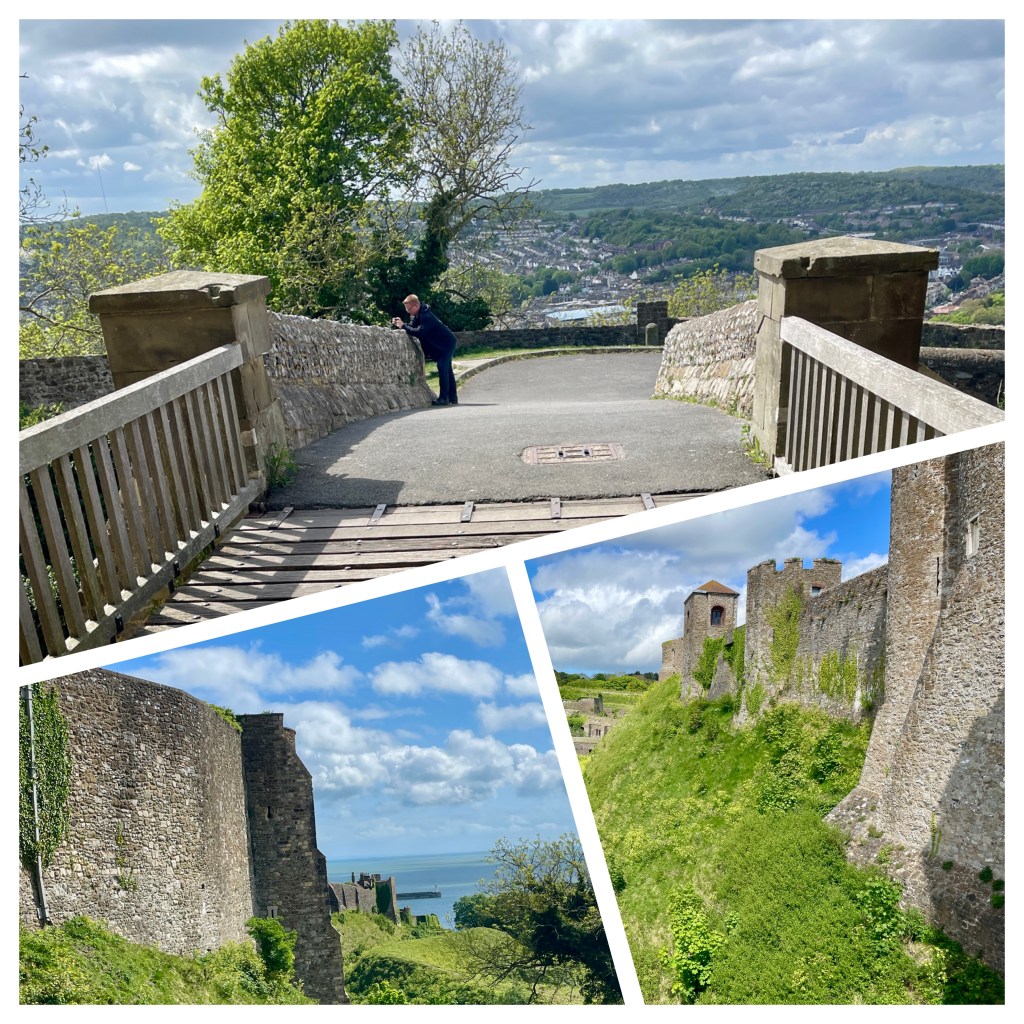
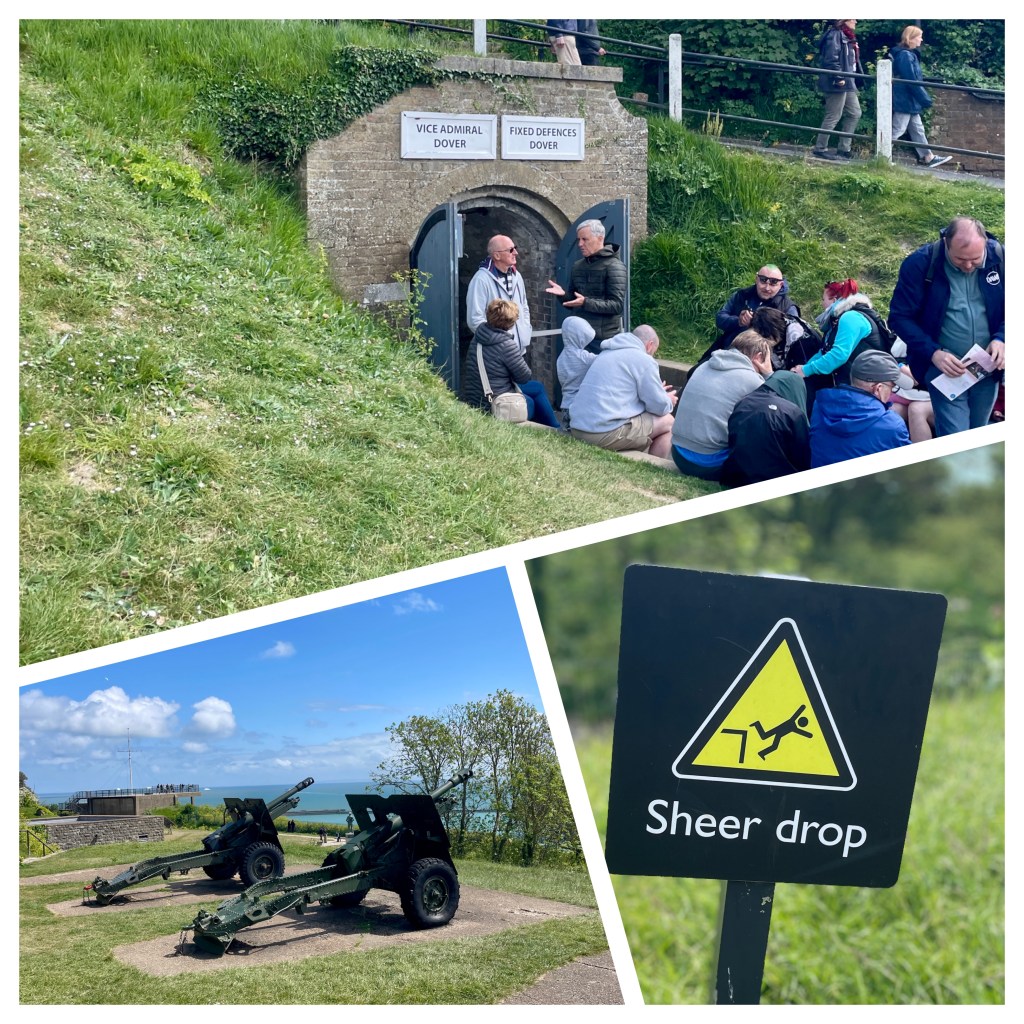
Dover is a port town perched on the narrowest part of the English Channel….about 21 miles across.There are about 40,000 residents in the area. They get around 360,000 visitors per year; many passing through. The web site brags that “the town center isn’t that special.” There are beaches to visit and white cliffs to walk. A museum and abandoned fortress are in the area. It seems most famous for being attacked….by the Romans when they did that kind of thing…by the French in Napoleon’s time…by the Germans in World War 2. Unless there are angry Italians, French or Germans we aren’t expecting too much action.
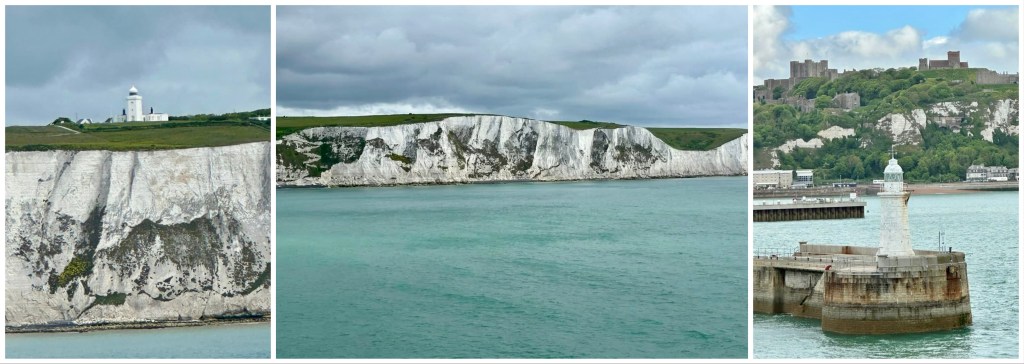

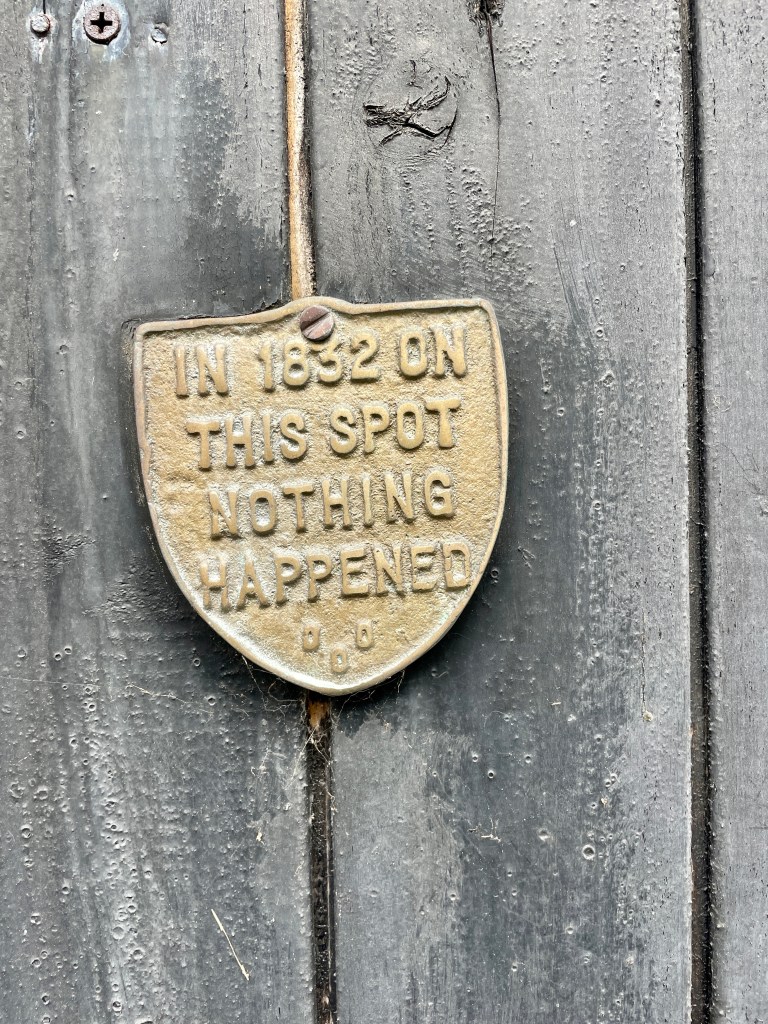
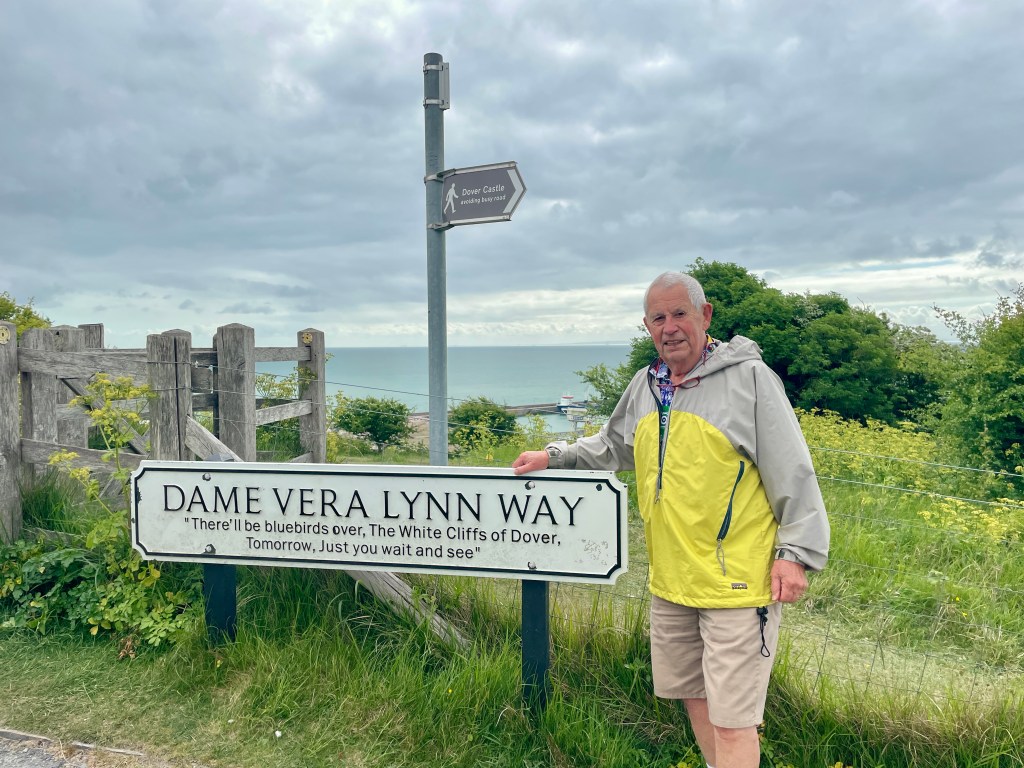
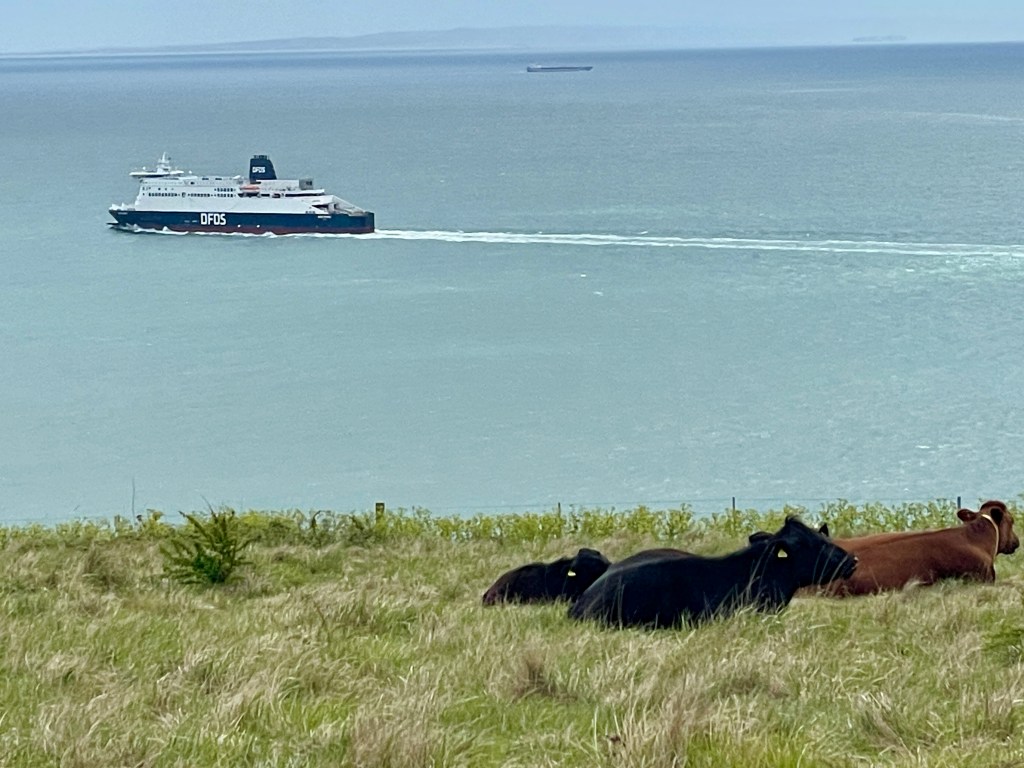
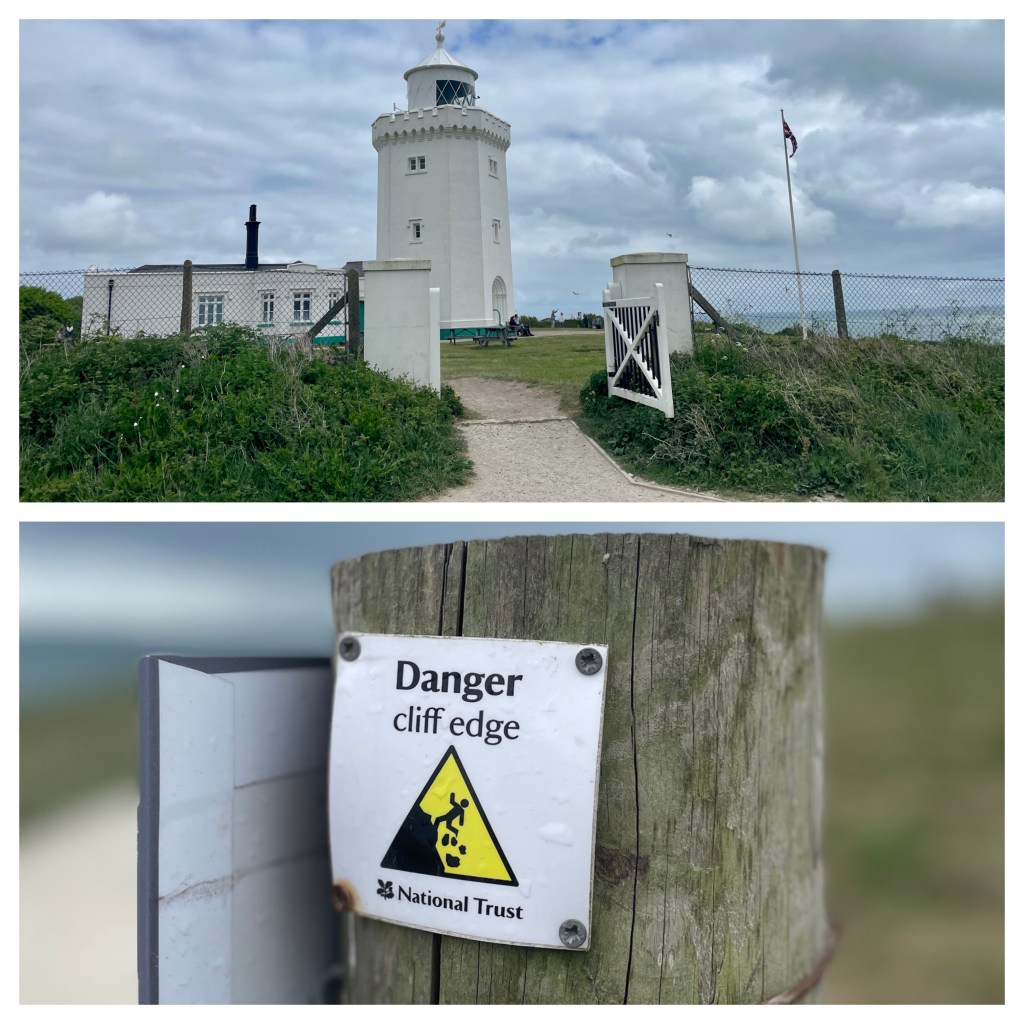
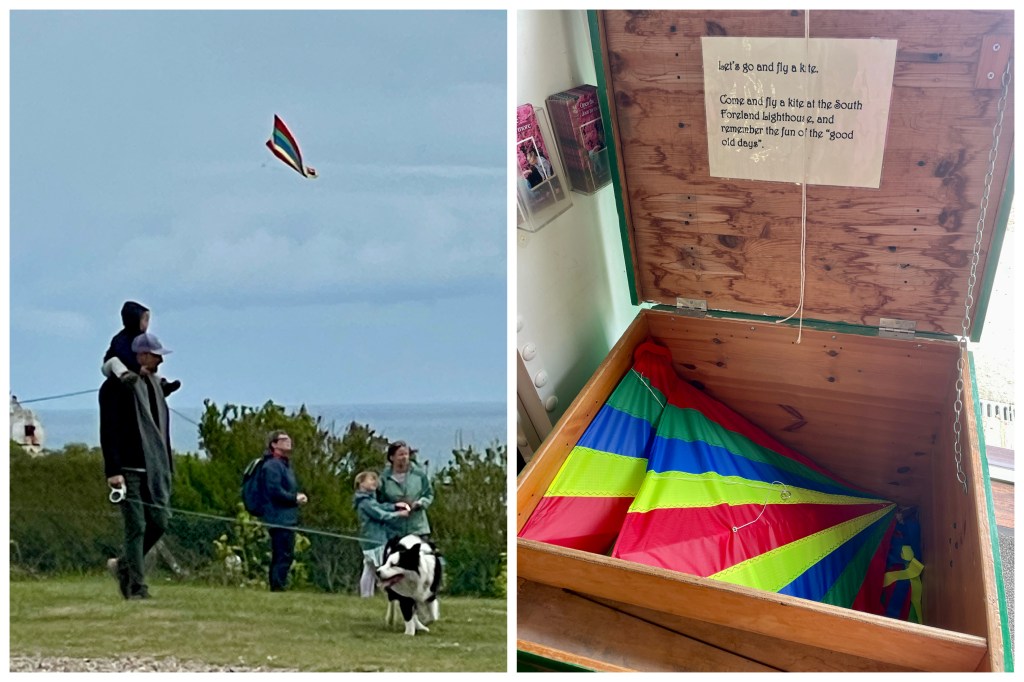
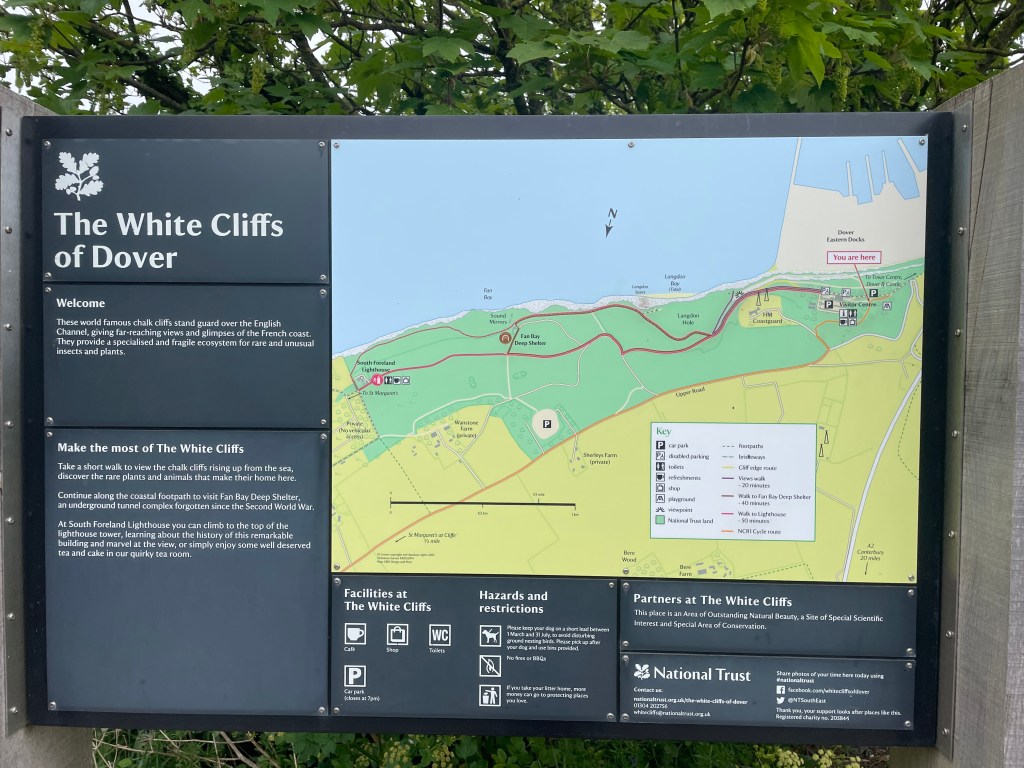
Karla walked the white cliffs to a lighthouse last time we were here. She decided to do so again and I tagged along….for the first 10,000 steps. I returned to town and looked around until the shuttle bus arrived. Karla hiked to the castle after touching the lighthouse.
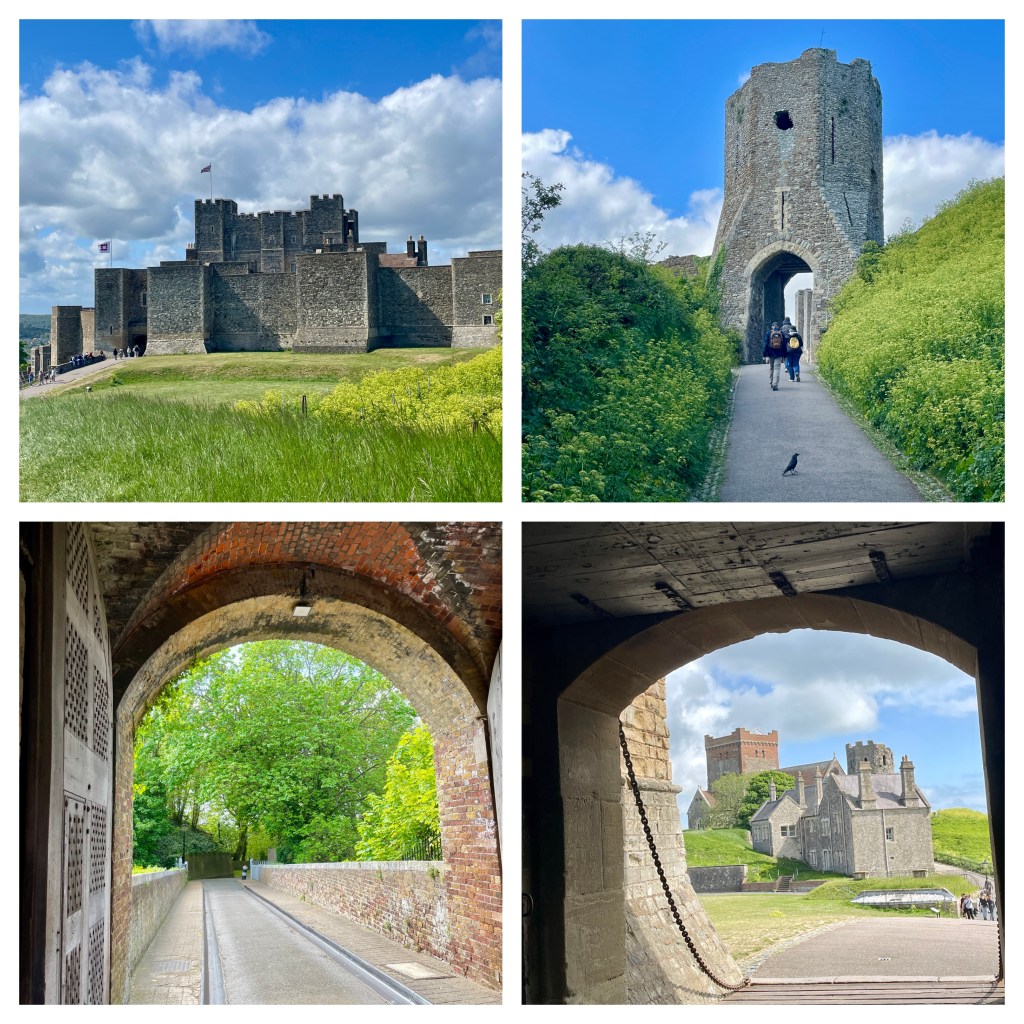
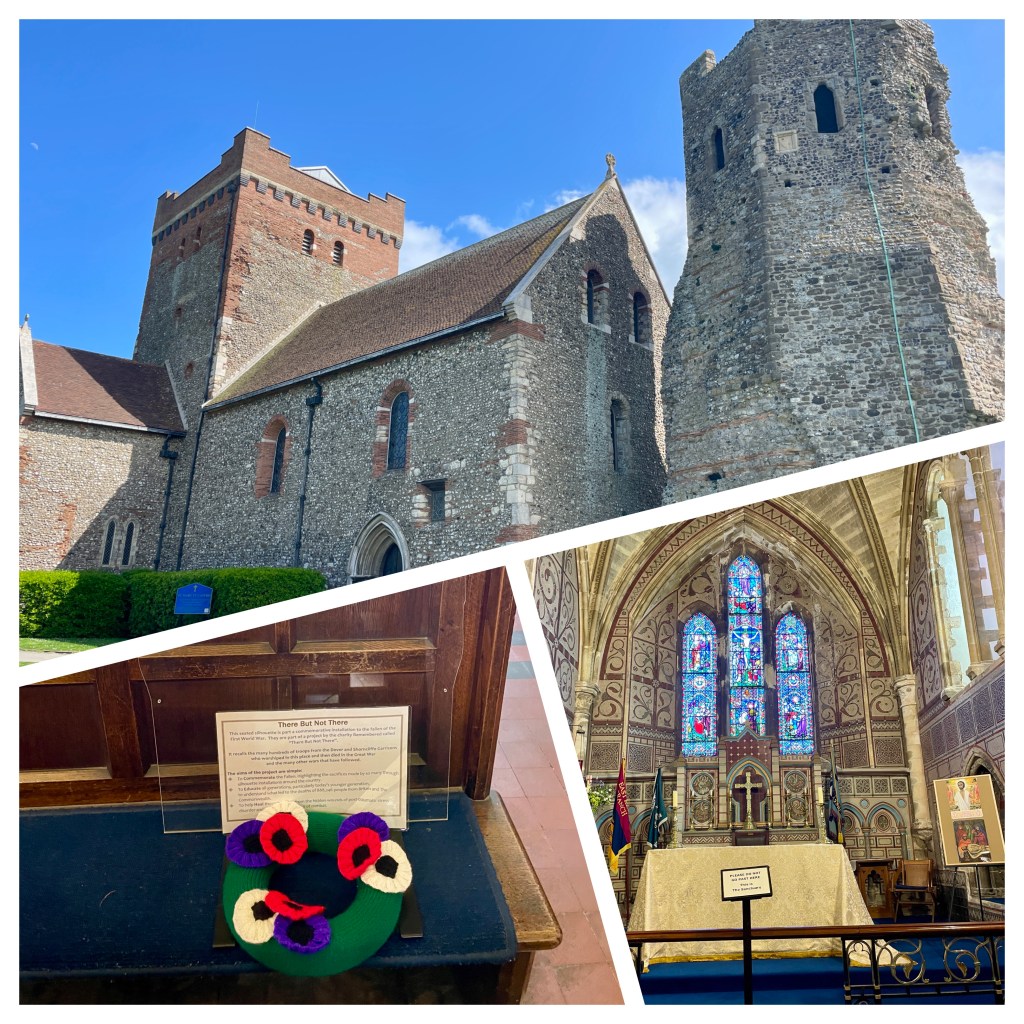
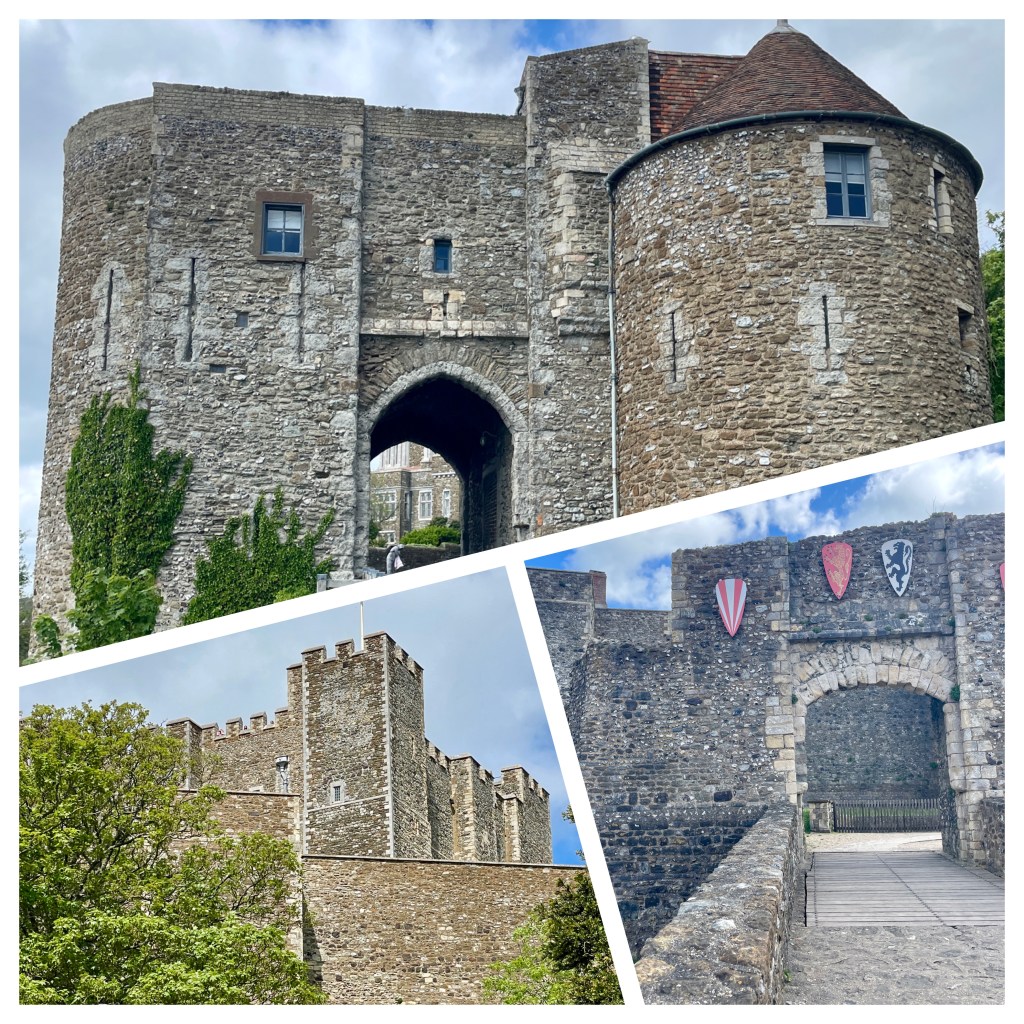
We left the ship at about 9:30; she returned close to 4. Bags are now being packed, to be left outside our rooms tomorrow night. It looks like we’re really finishing.
 Millers World Cruise 2025
Leave a comment