March 24 (10,431 miles from The Dalles)
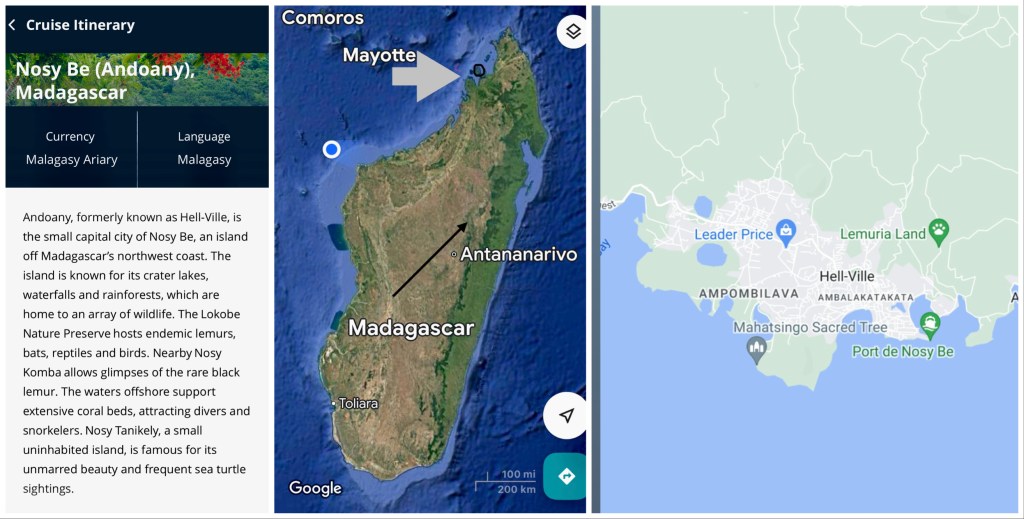
Madagascar, off the southeast coast of Africa in the Indian Ocean, became the world’s 4th largest island by splitting off from Africa 180 million years ago (in the morning, I think) and from India 90 million years ago. Thirty-one million people made up of 18 “classified people” now occupy the island. The earliest settlers were Austronesians from Indonesia around 500 CE. They were followed by Bantus around 800 CE and the Arab traders. The Portuguees visited around 1500 and pirates and slave traders found the island to be a convenient stopover. A monarchy ruled the country until a French takeover in 1896. In 1960, they achieved independence.
Governing has not been easy. There were several disputed elections, an impeachment, 2 military coups, and 1 assassination. While the country is growing, there are significant income disparities. Seventy to 90 percent of the people are considered poor. Ninety percent of the people make less than $3.10 per day….69 percent less than $1 per day. There is considerable food insecurity and half the children under 5 have stunted growth. About one-third the people don’t have access to clean water.
On the brighter side, they have significant resources. They have precious metals, including half the world’s sapphires They export 80 percent of the world’s vanilla as well as coffee, cloves, lychee nuts, and shrimp. And there appear to be significant opportunities for tourism. There are coral reefs, rain forests, mountains and animals. Given its longtime separation from the African continent, about 90 percent of the animals are endemic as well as 80 percent of the fauna. However, they have been harmed by overgrazing animals and overcutting forests. Climate change has been a challenge as have invasive species. It appears that a diverse collection of people haven’t been governed very well and that lots of opportunities have been missed. But, there is potential. It would be interesting to see what would happen if they contracted with Singapore to run the island.
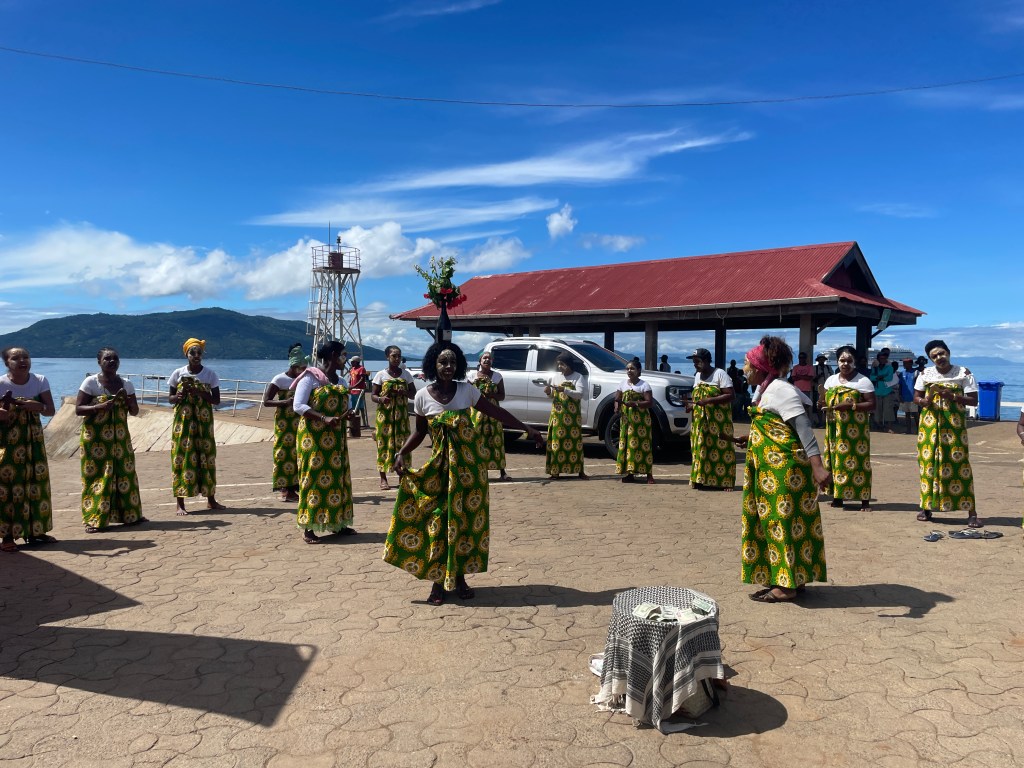
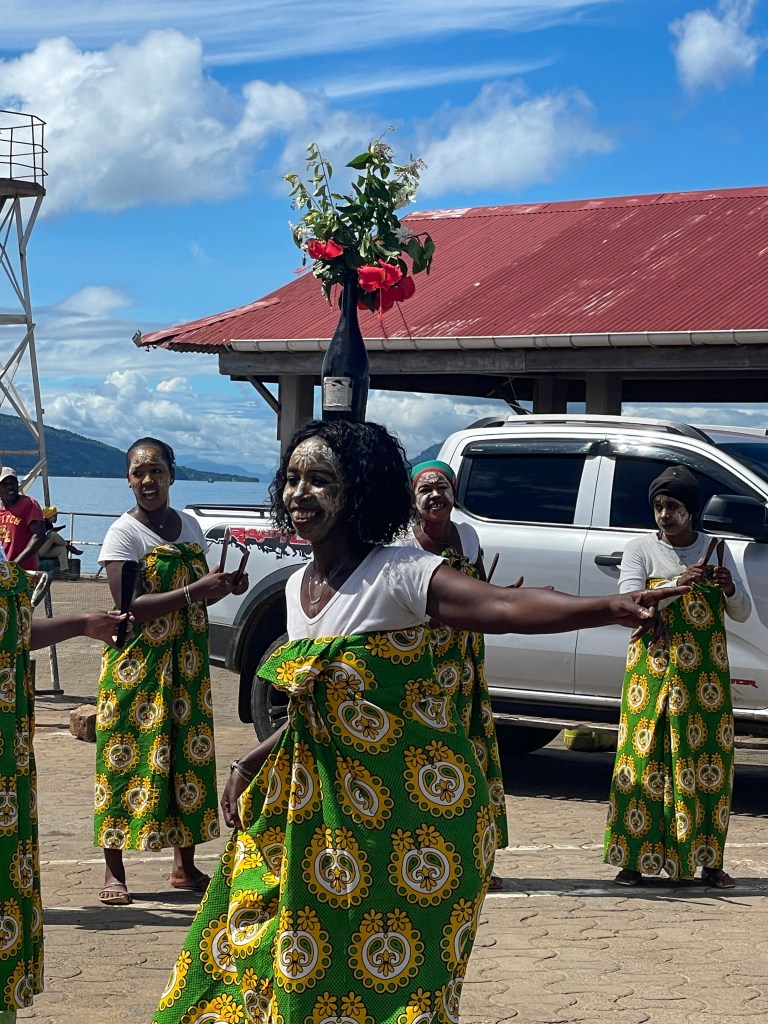
We anchored off the coast of Nosy Be (meaning “large island”), an island on the northwest coast of Madagascar with a population of about 100,000. Our tender took us to a 7 passenger van at the dock on the way to Lemuria Land. Following that, we were aimed at visiting the oldest village– Maradoka, lunch in Hell-Ville, and then shopping. (Hell-Ville, a pretty name, was named after Anne Chretien Louis de Hell, the French Governor of the island in 1838-41. Officially, it’s now Andoany, but often still called Hell-Ville.)
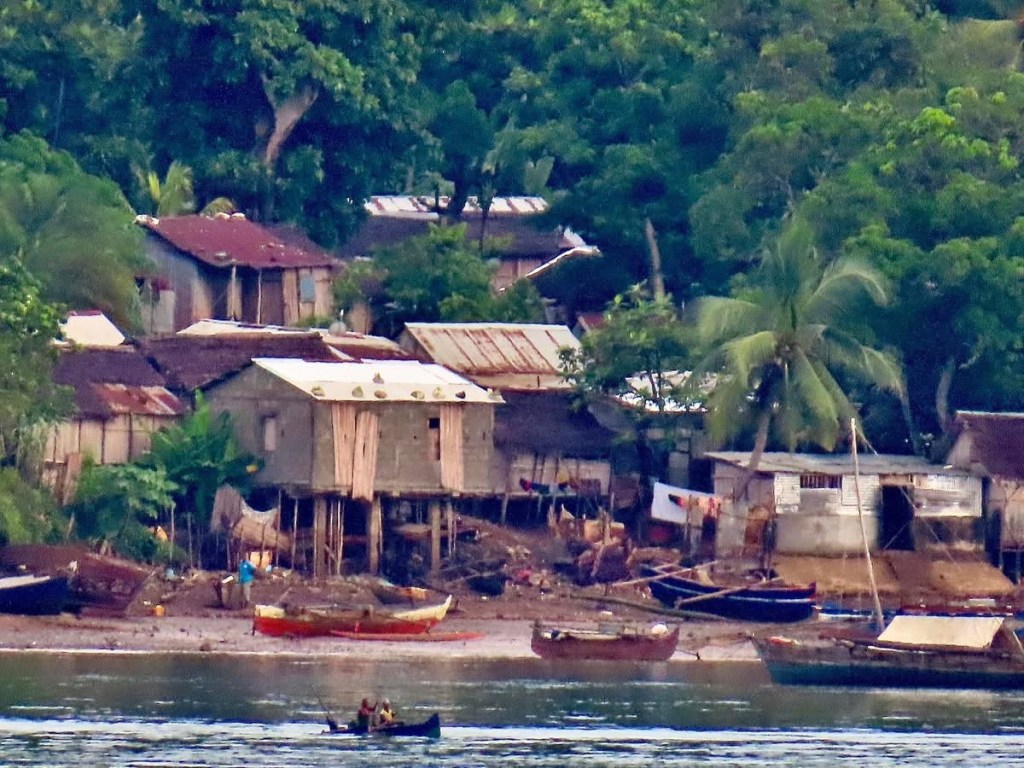
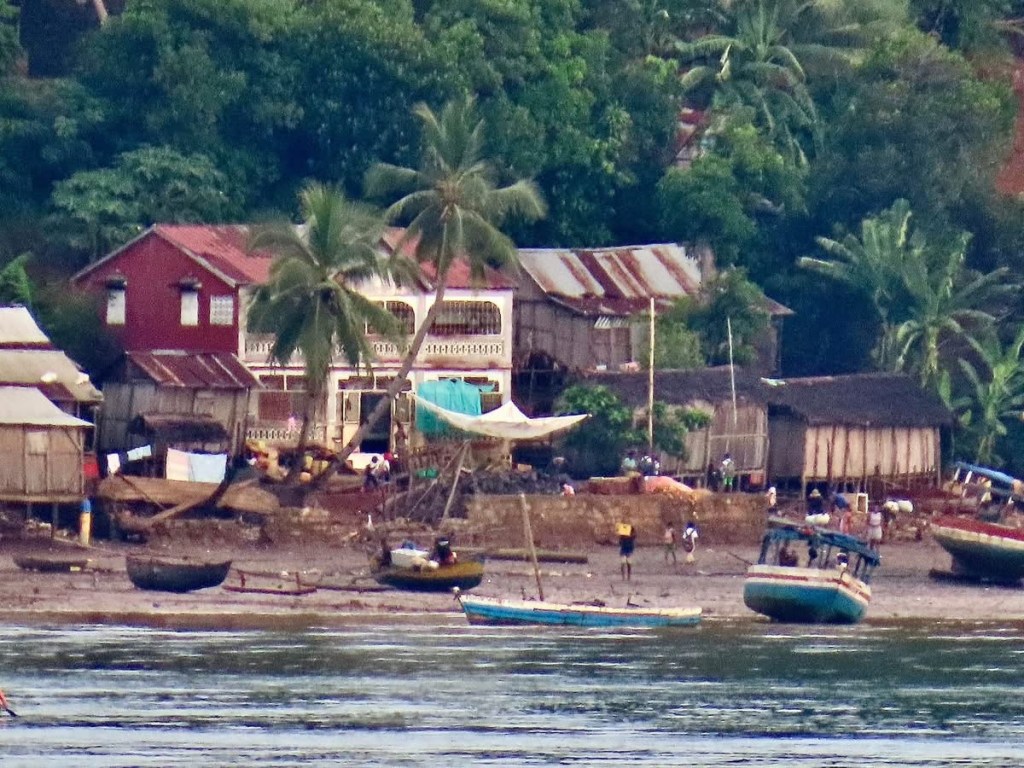
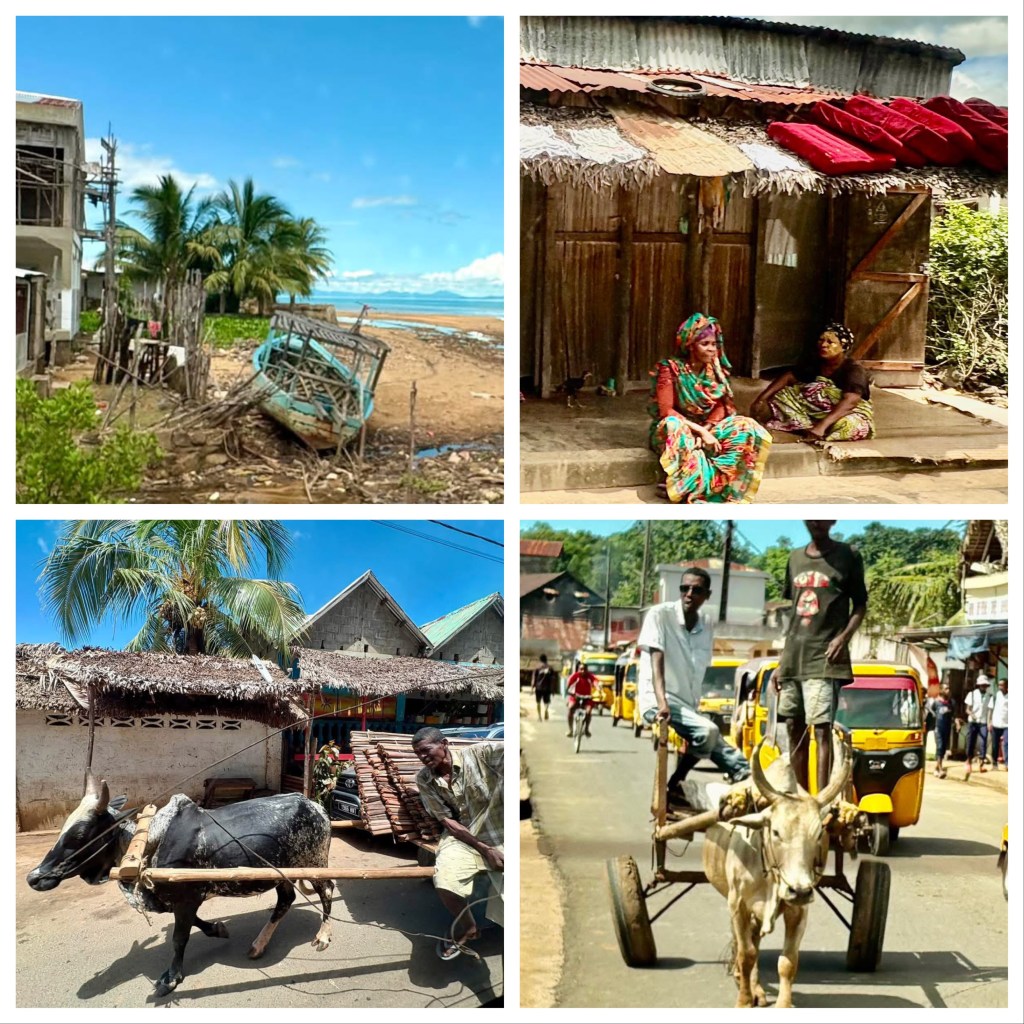
Our guide, a welcoming and personable young woman, accompanied us in the van. We’d been told by the Viking excursions manager that folks on the island were really excited at our coming, as this is another first for Viking. (Kenya was also a first). As our van departed, it was clear that the Chinese had not yet refurbished the area. It felt like we had stepped into a 50’s movie. There were people moving in all directions and just standing around. Countless tuk tuks. The first port road we passed was dirt and full of potholes. Along the route to Lemuria Land….a 1 1/2 lane road…were lots of stick, mud and corrugated tin houses; too many with standing water near by. It definitely looked poor. The road into LL continued with dirt and potholes and a jungly terrain.
At a central spot, we were assigned to a guide from the park. He was pretty good and walked us through a variety of plants and animals:
-We saw large plantations of Ylang Ylang trees which have flowers used for perfume. We toured a perfume distillery and its museum of old French artifacts. Later, Karla purchased some of the Ylang Ylang “oil.”
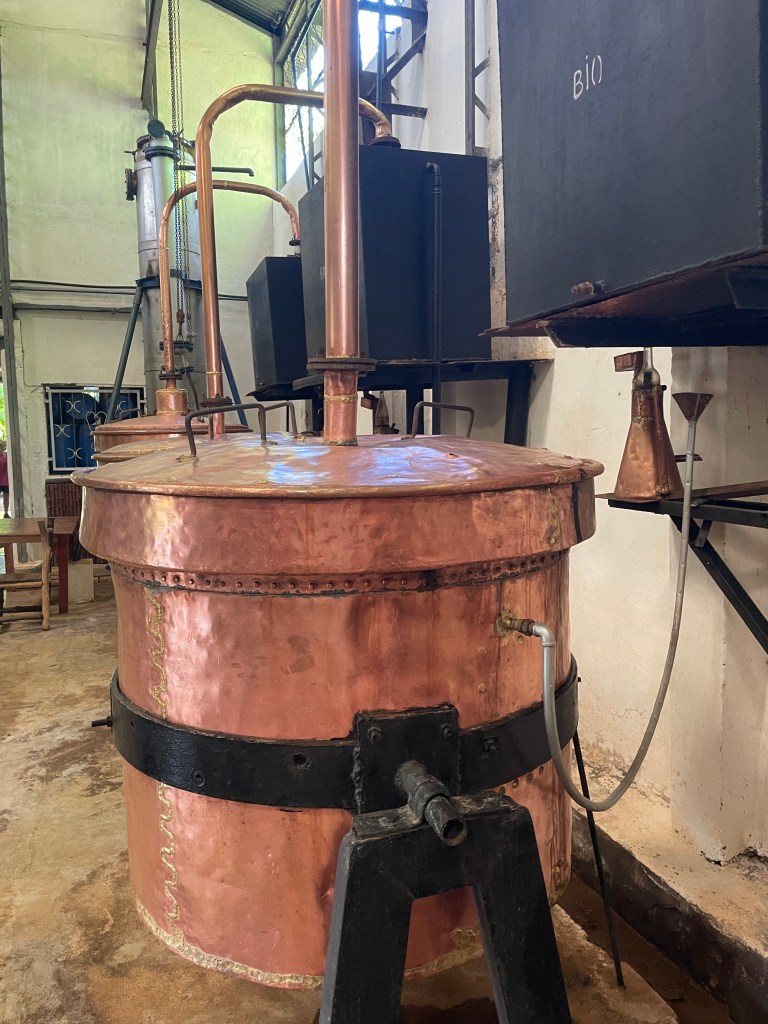
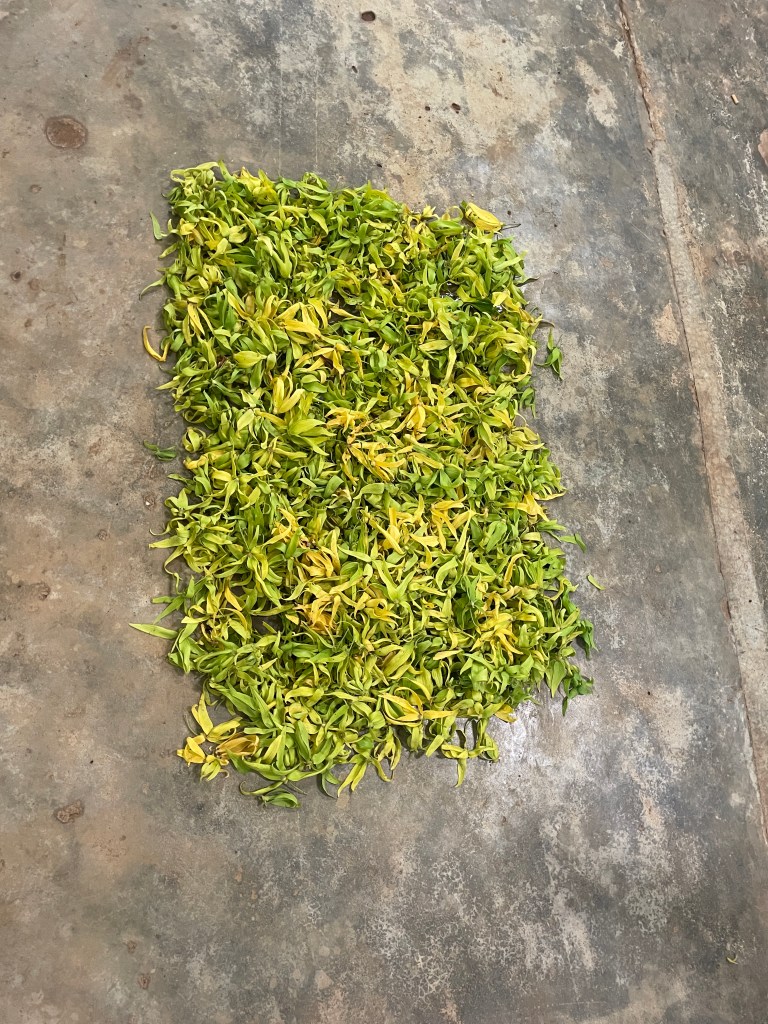
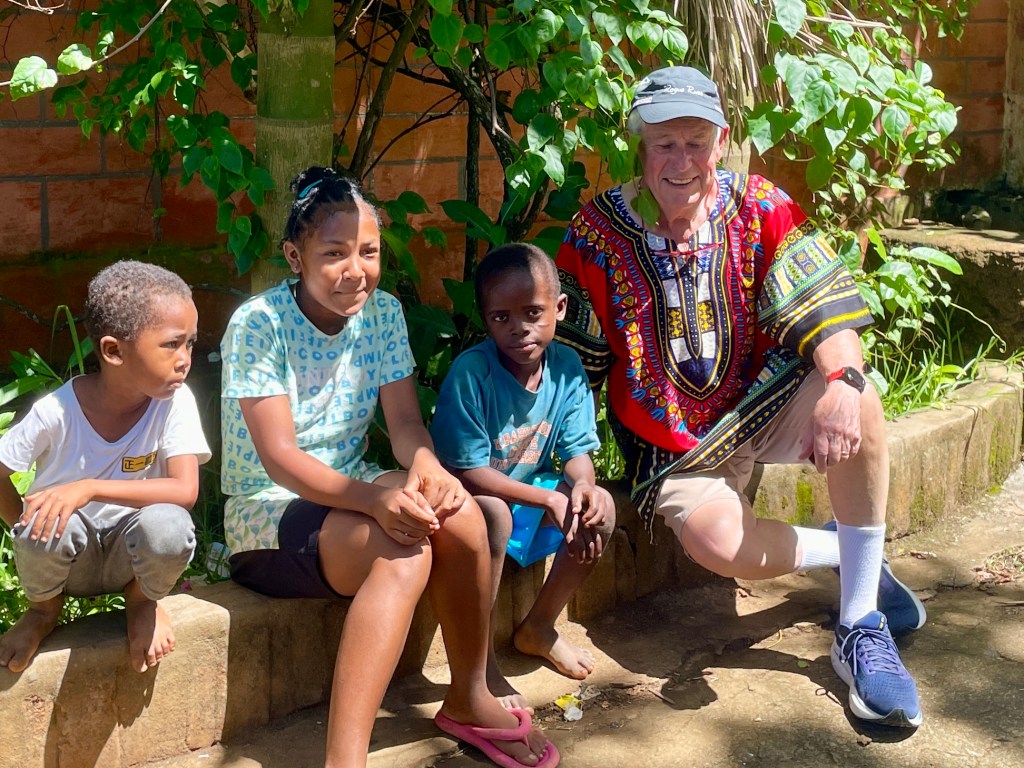
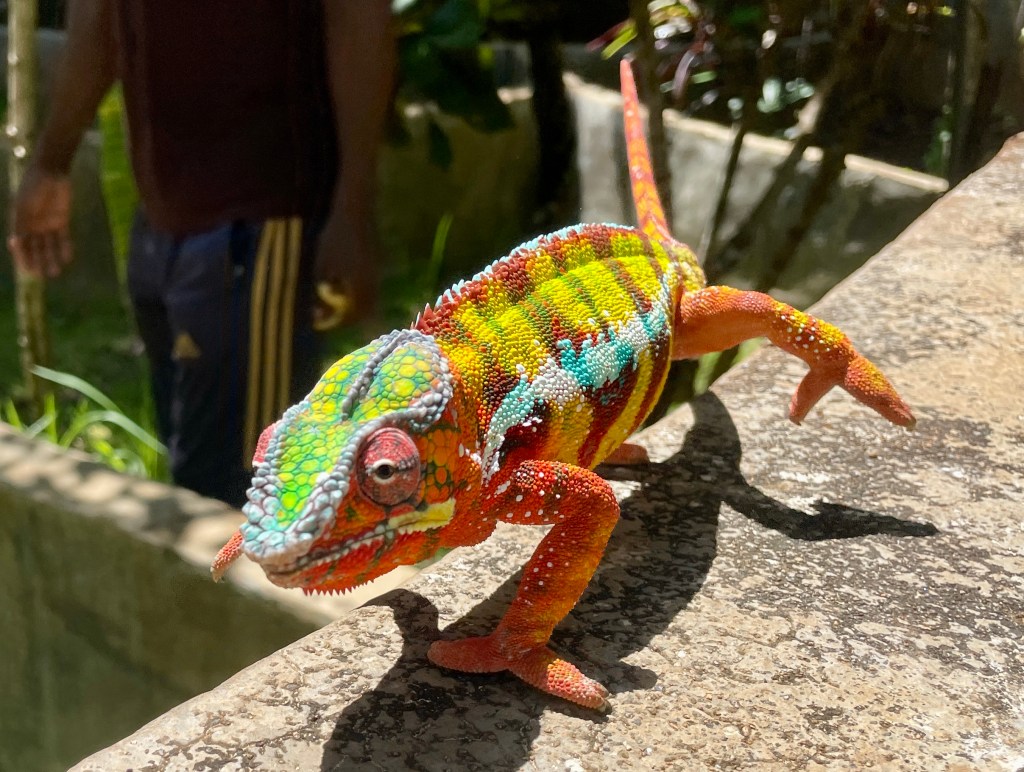
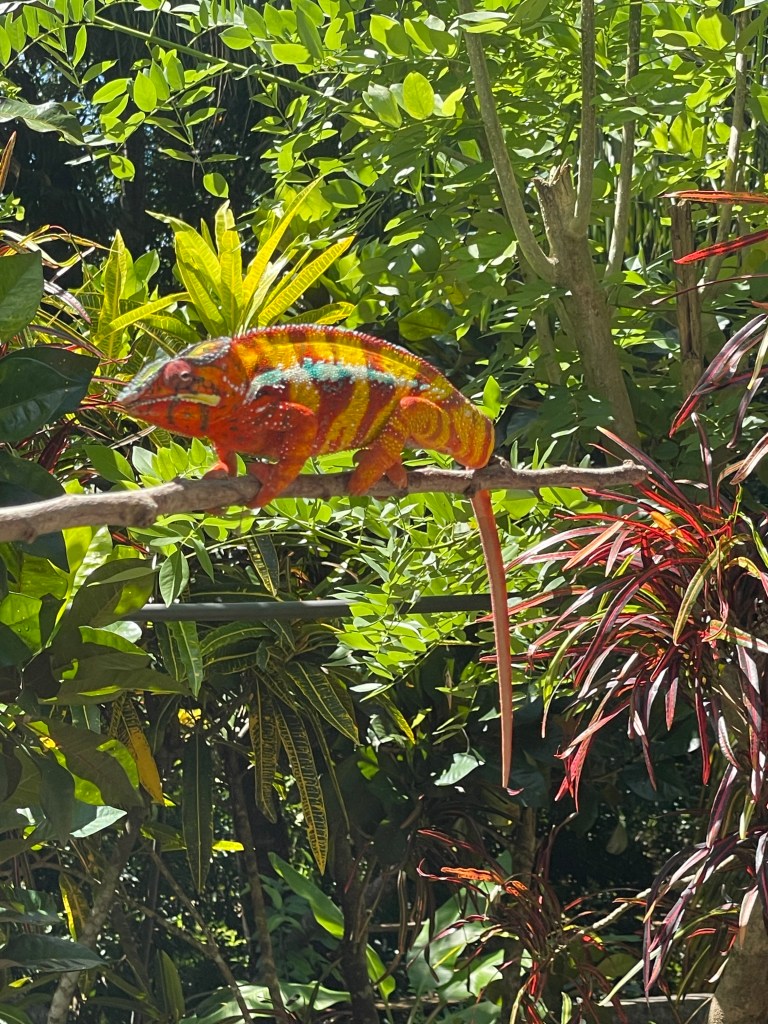
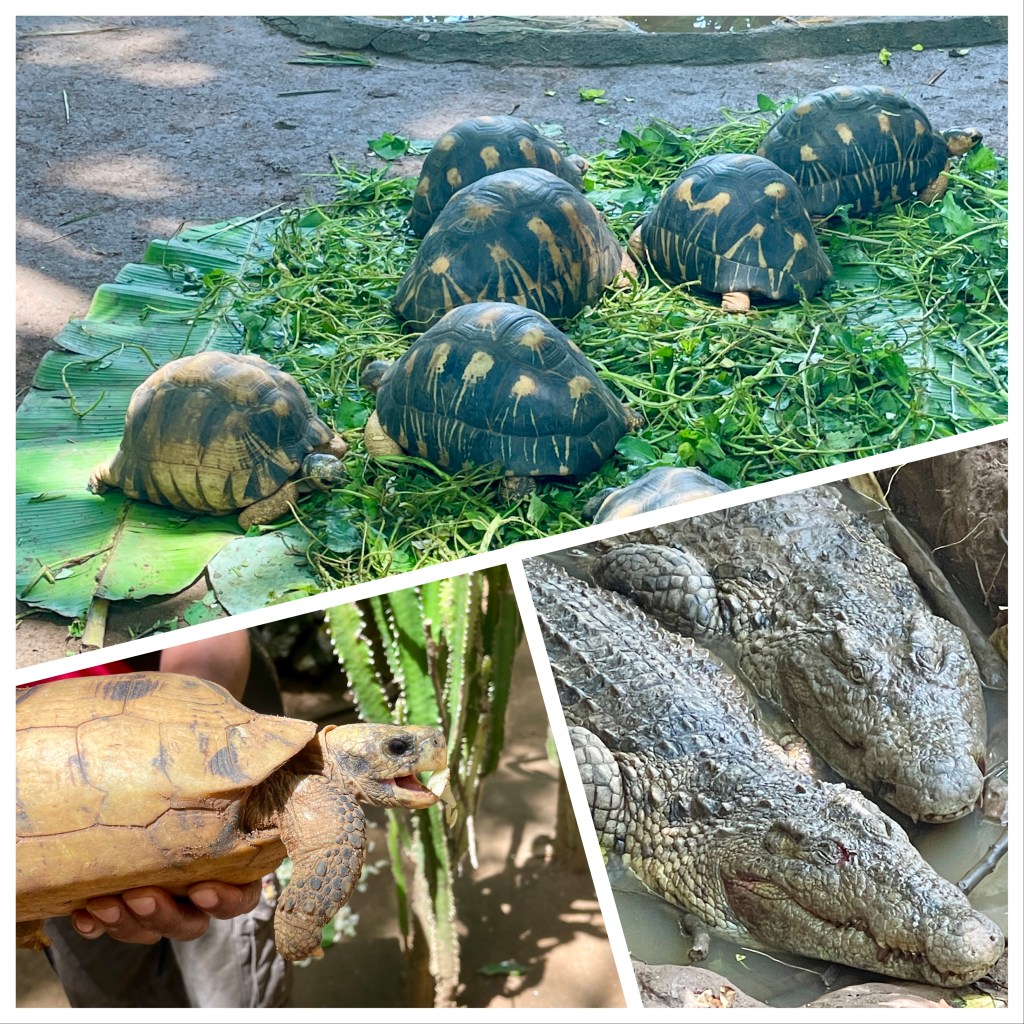
-Once we smelled better, we were taken on foot to crocs, tortoises, chameleons, and a variety of turtles, most of which lived in concrete structures, open at the top.
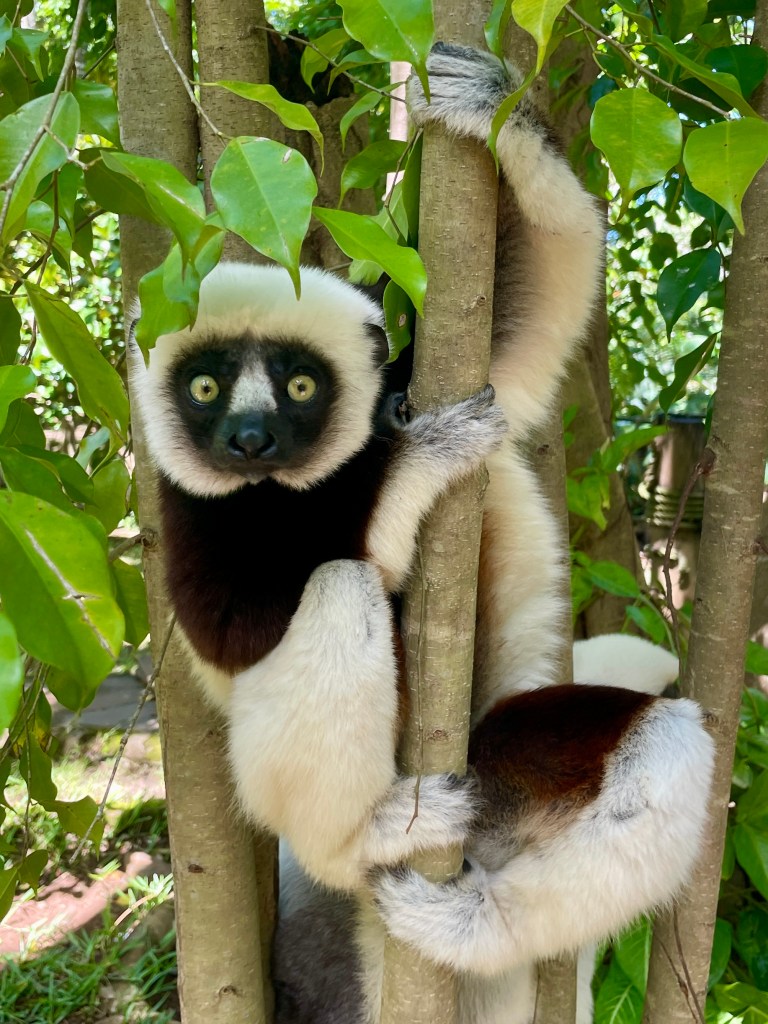
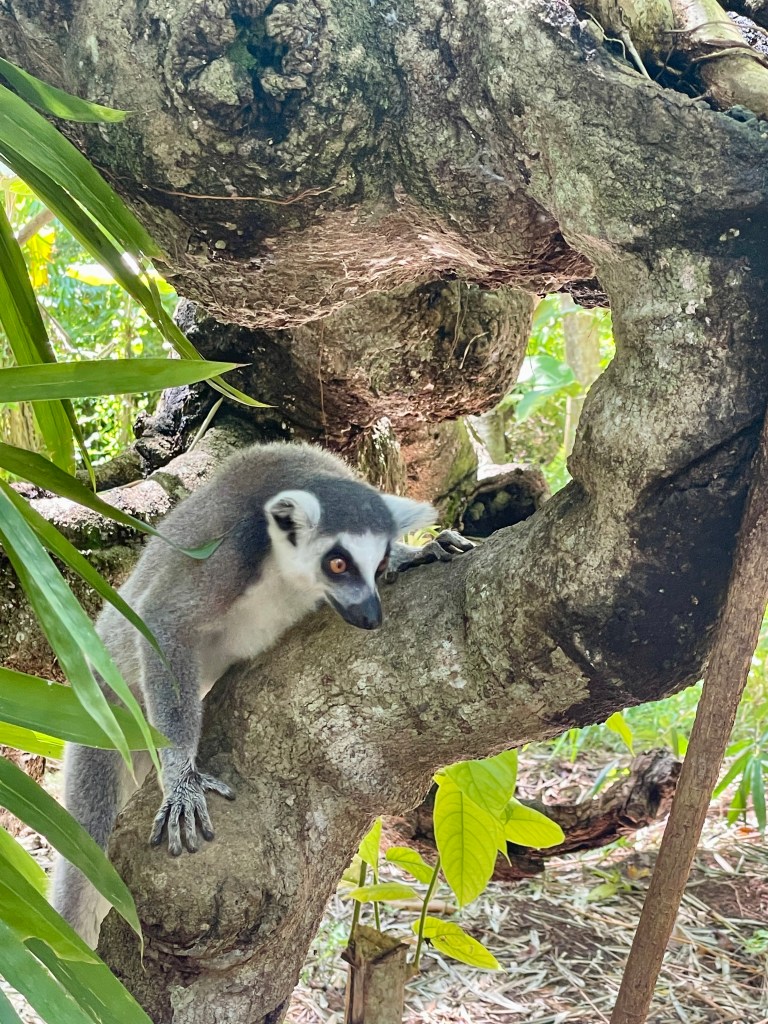
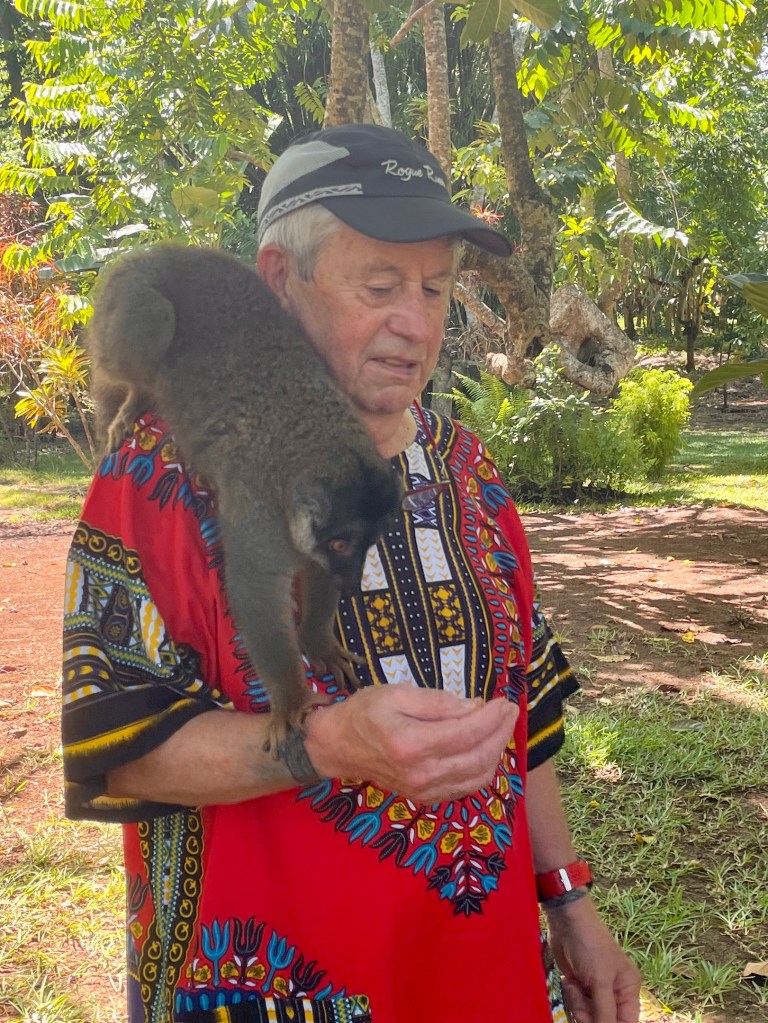
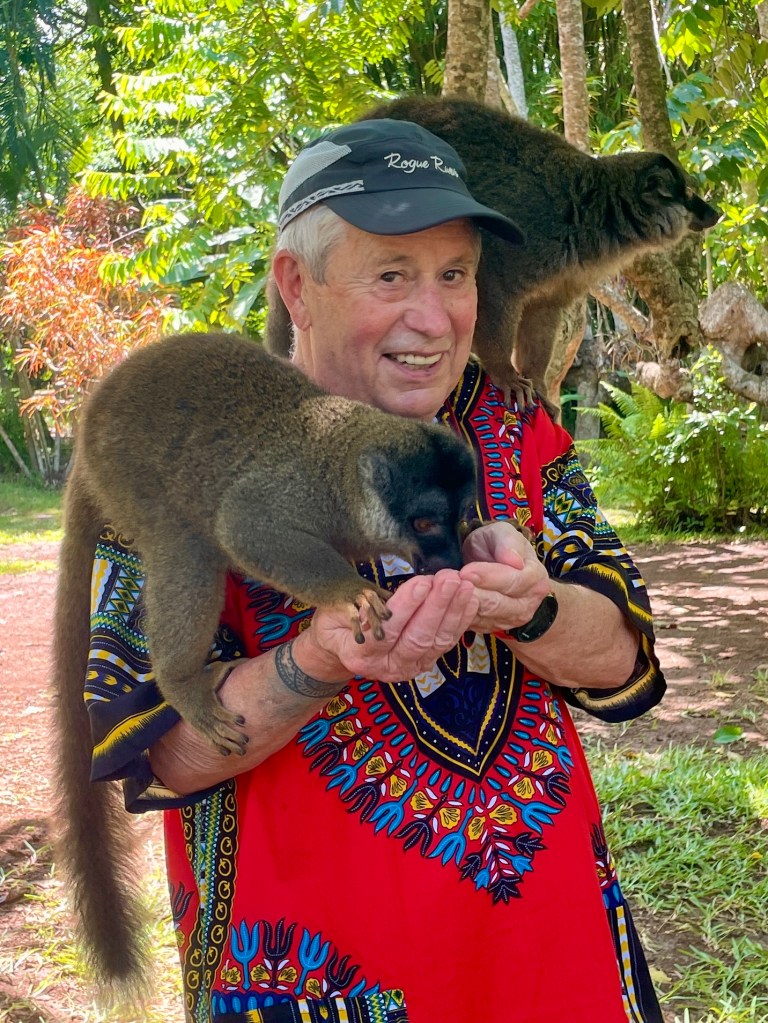
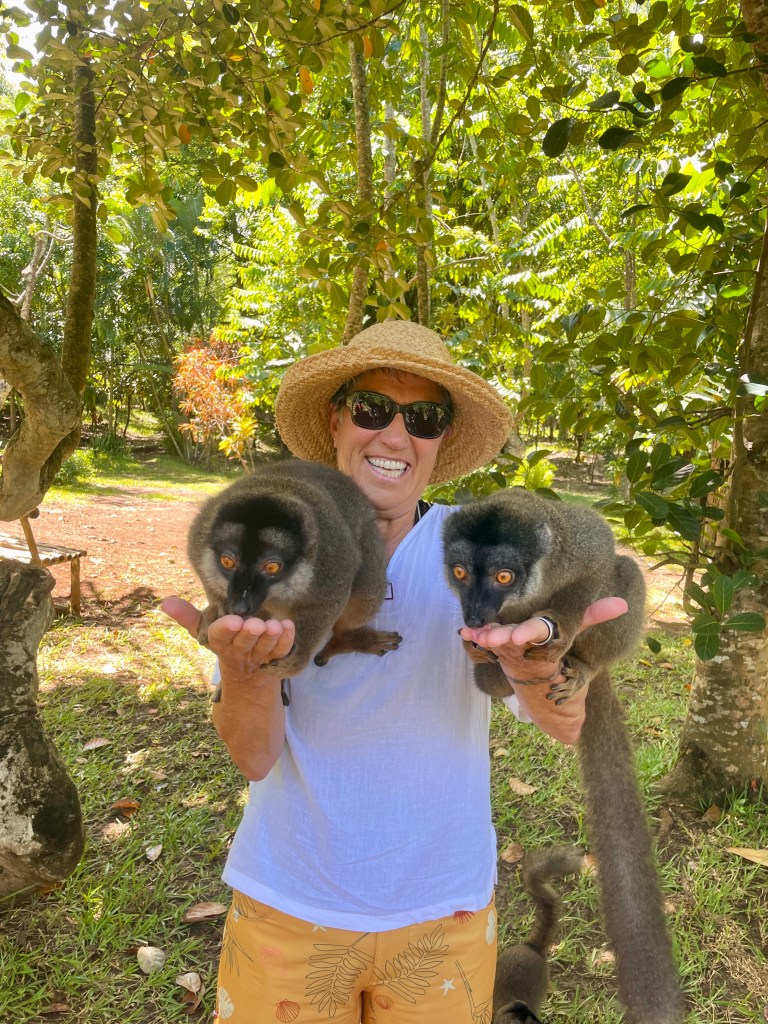
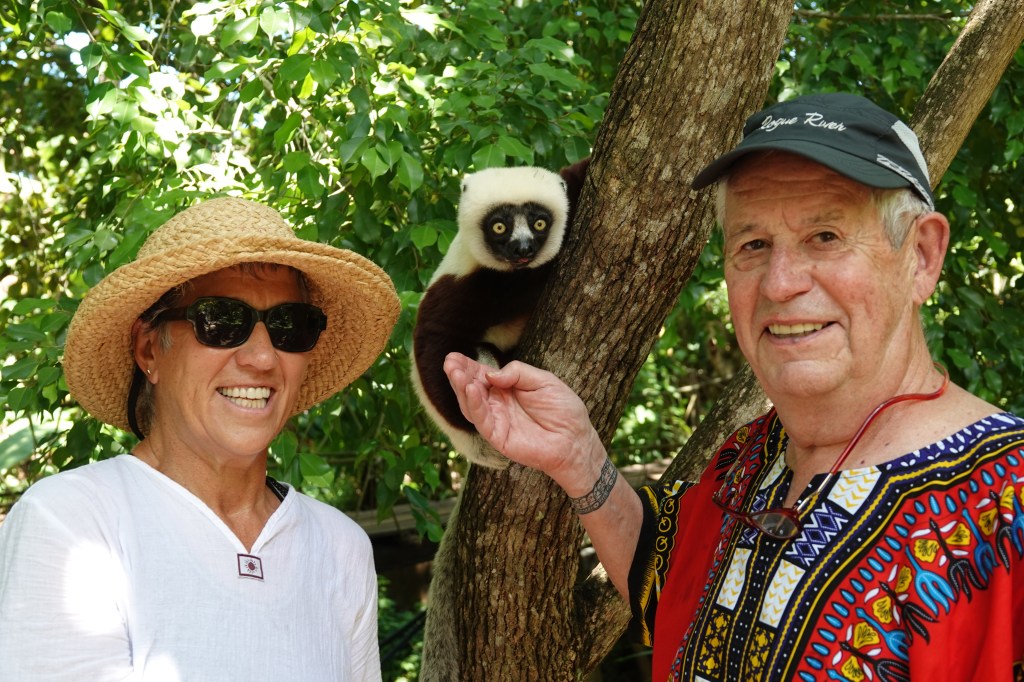
-The high point, of course, was the lemurs. Our ship naturalist, Richard, told us that the reason lemurs were so successful in Madagascar is that they did not have to compete with monkeys (more intelligent species) as there are no monkeys on the island. There are something like 95 species in Madagascar. I think we saw 5 different kinds. They tended to sit pleasantly in trees until small pieces of banana encouraged them to jump on our shoulders to eat. We liked the lemurs and they seemed to tolerate us….even like us if we had food.
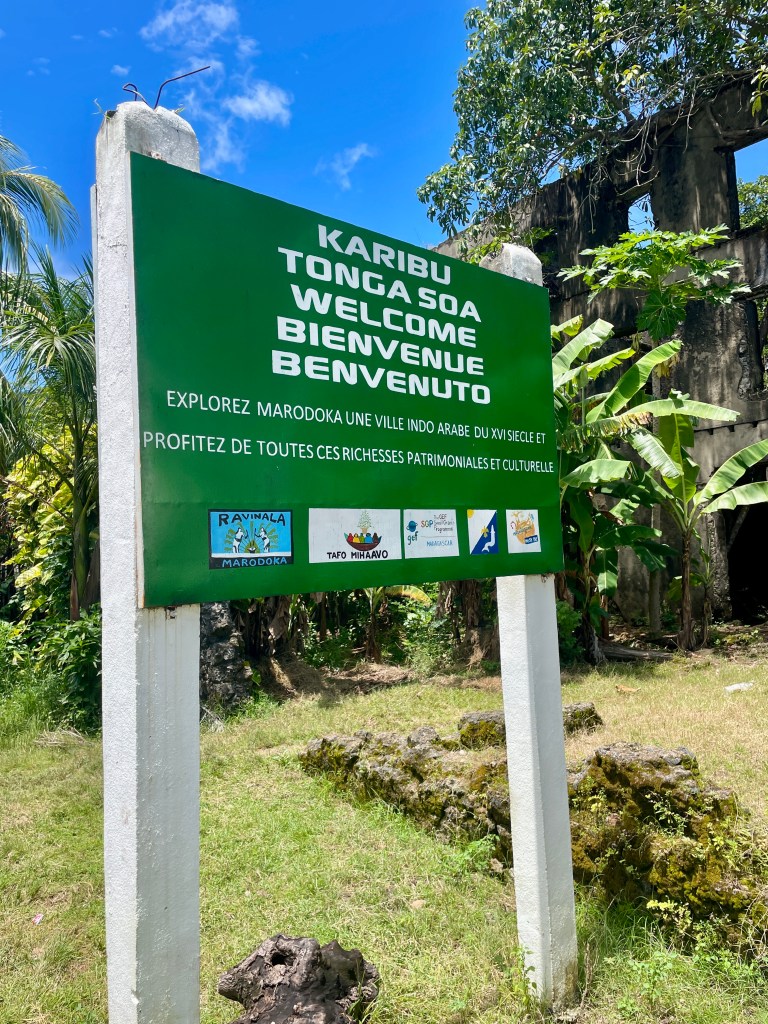
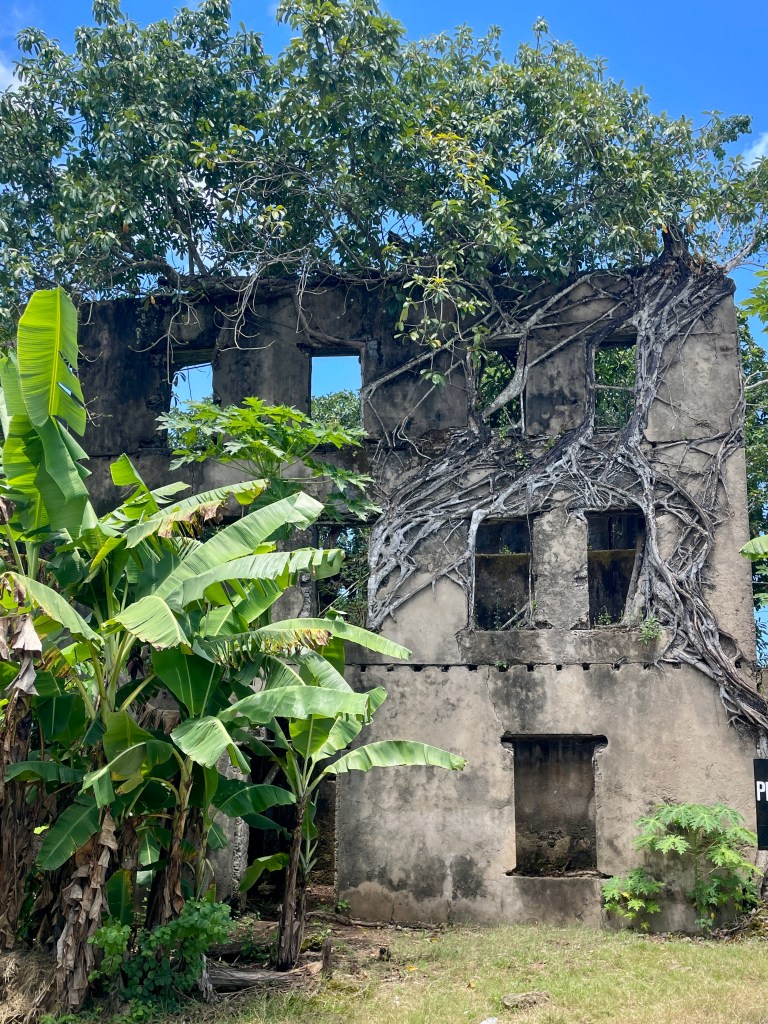
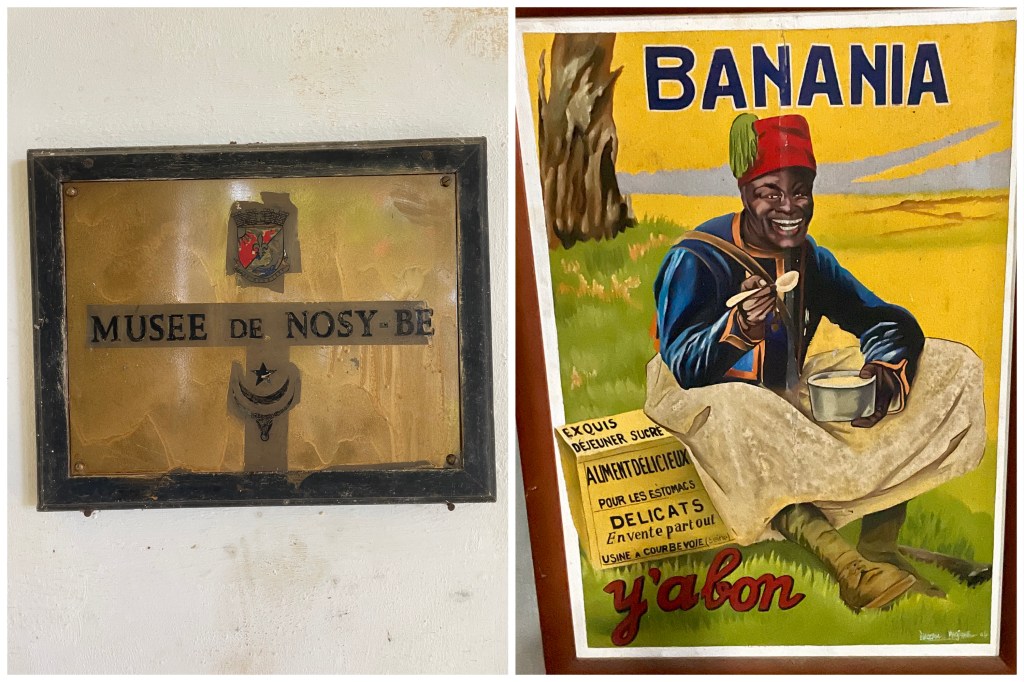
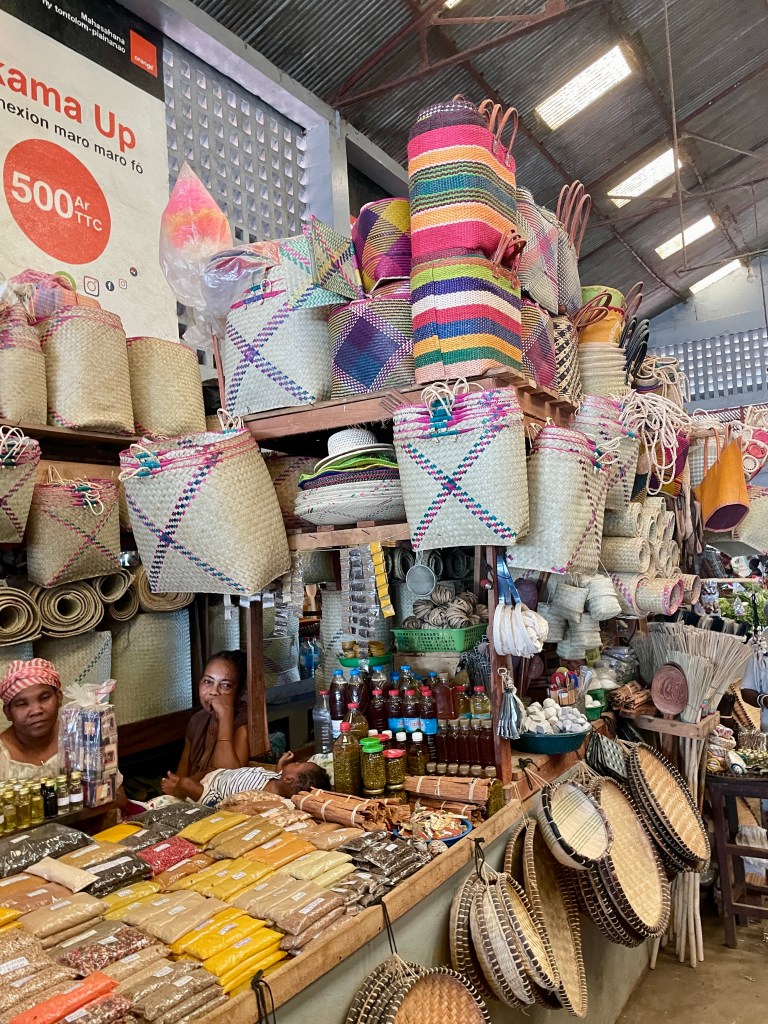
The Maradoka village visit was pleasant. It was basically a drive-through with no pretense. There was something nice about that. Not a bunch of phony dances or stalls selling tourist goods; just a village. In the same area, we visited a museum (honoring the Sakalava people) and interacted with some people at craft stalls. Besides the shirts and magnets, they had lots of vanilla. Now, we do. On our way back to the ship, we had a great lunch at a Hell-Ville seafood and sea-view restaurant. Our guide then took us to a very authentic major market and another place to shop. We got some good stuff.
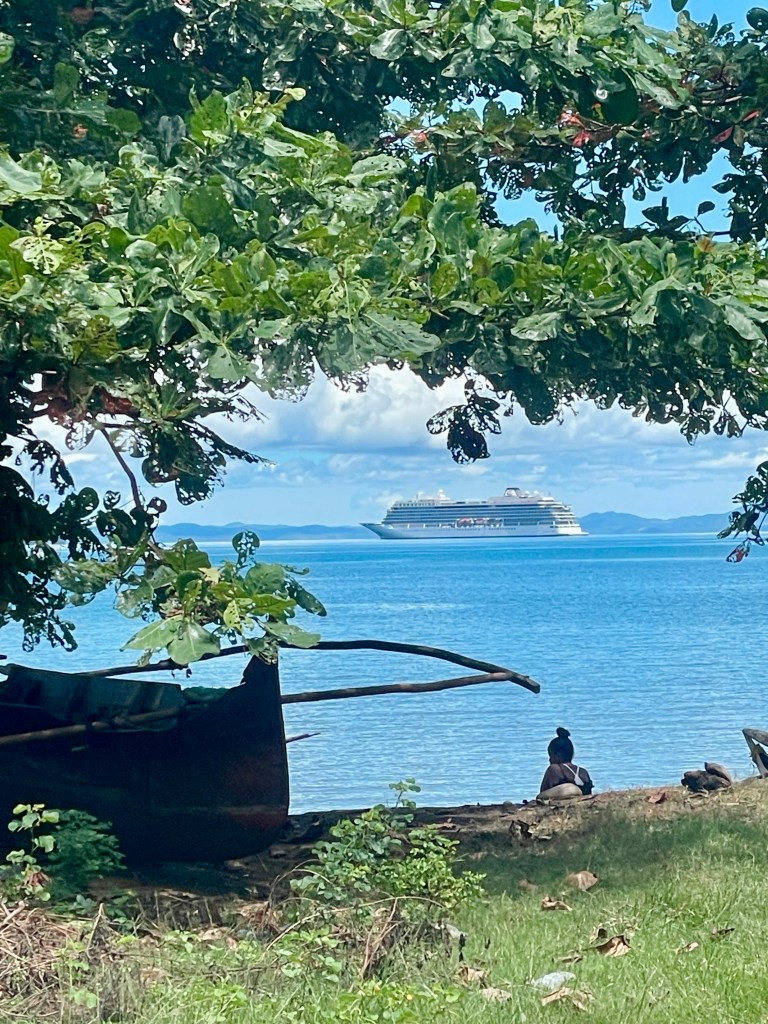
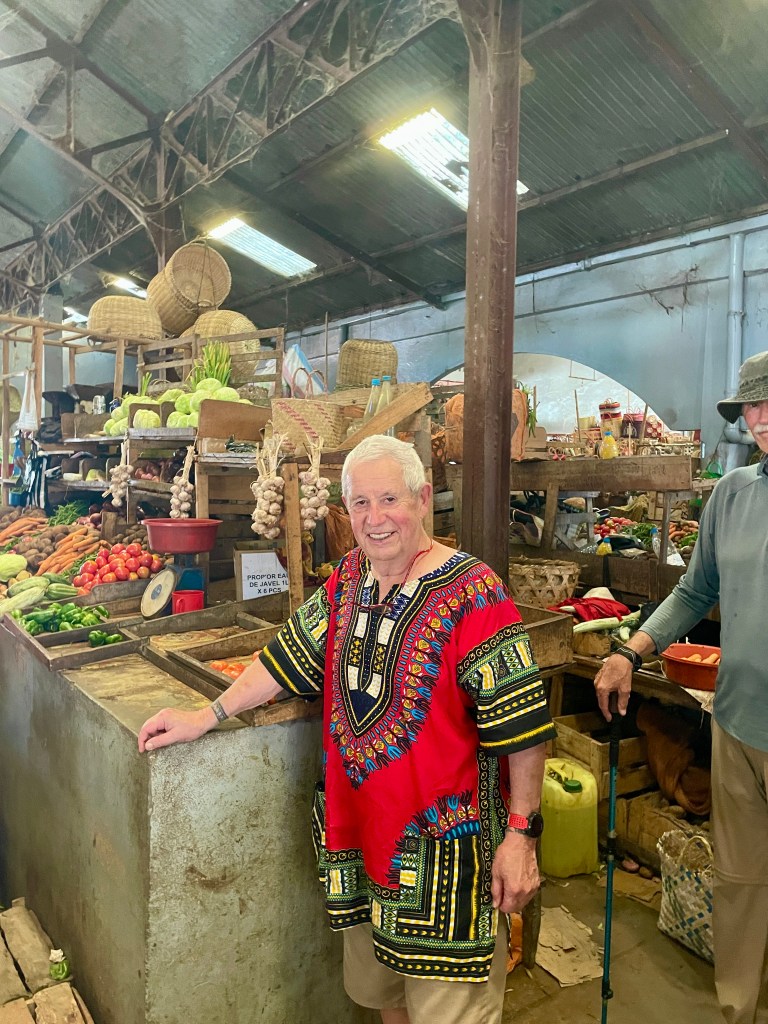
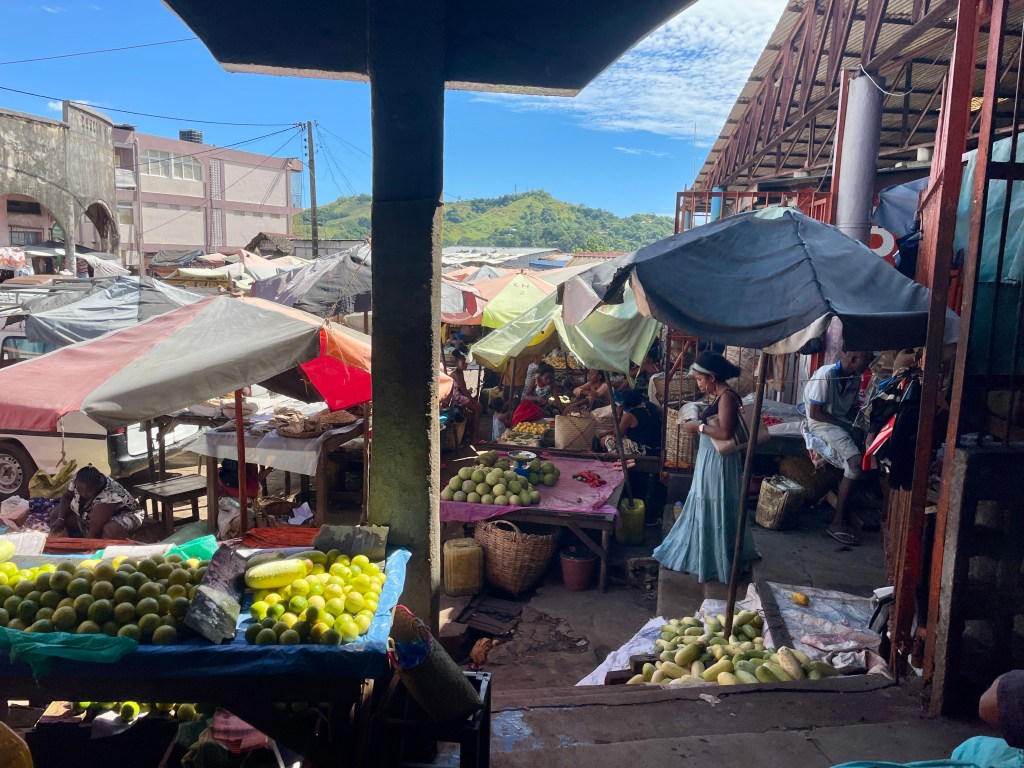
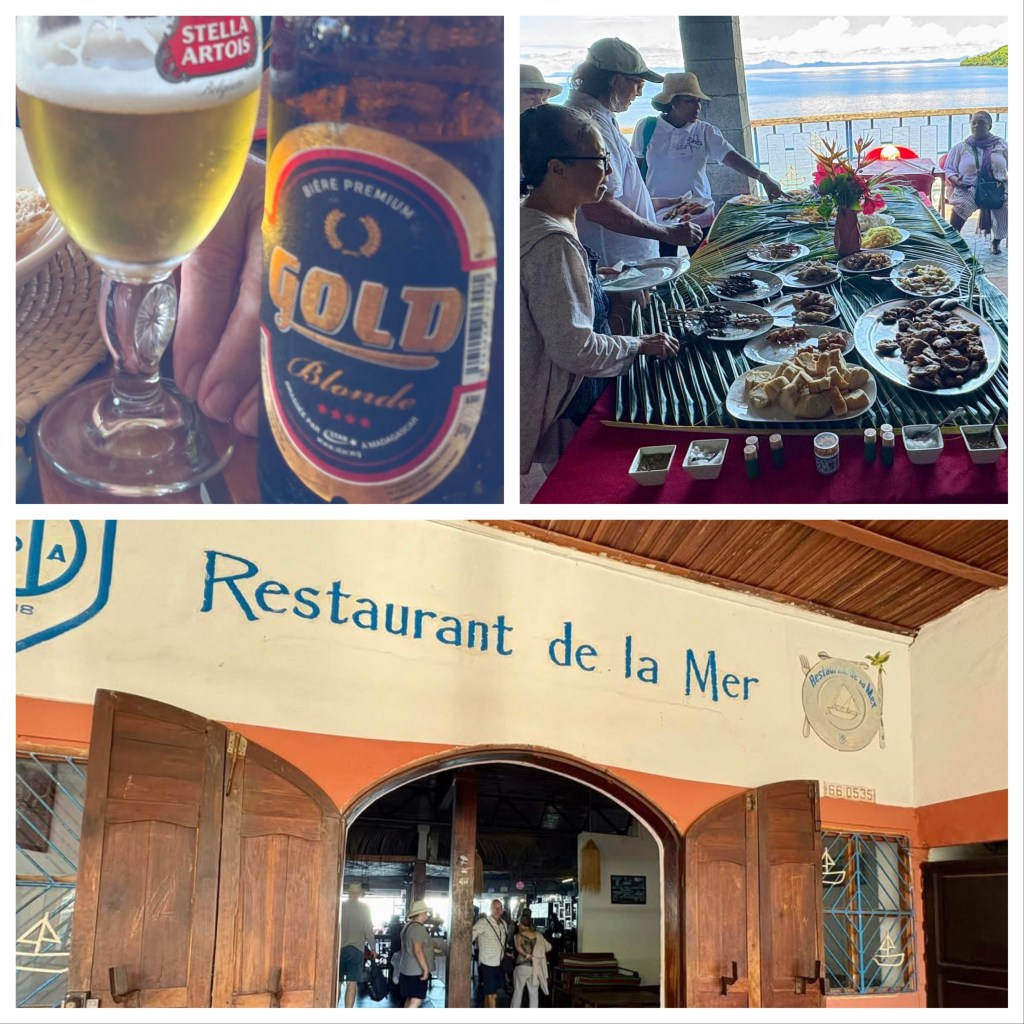
We returned to the dock with about three hours to go before the ship’s departure. It was hot and humid and a shower sounded better than more time in town. It was a very pleasant stop. But, they need more development and jobs. I read someone’s summary of Madagascar saying that the people seemed to have “no hope.” We didn’t experience that, but I could see an observer having that impression. We enjoyed the visit, but it’s likely our last, given its location. It’s about 10, 116 flight miles from The Dalles.
 Millers World Cruise 2025
Leave a comment