

Feb. 19
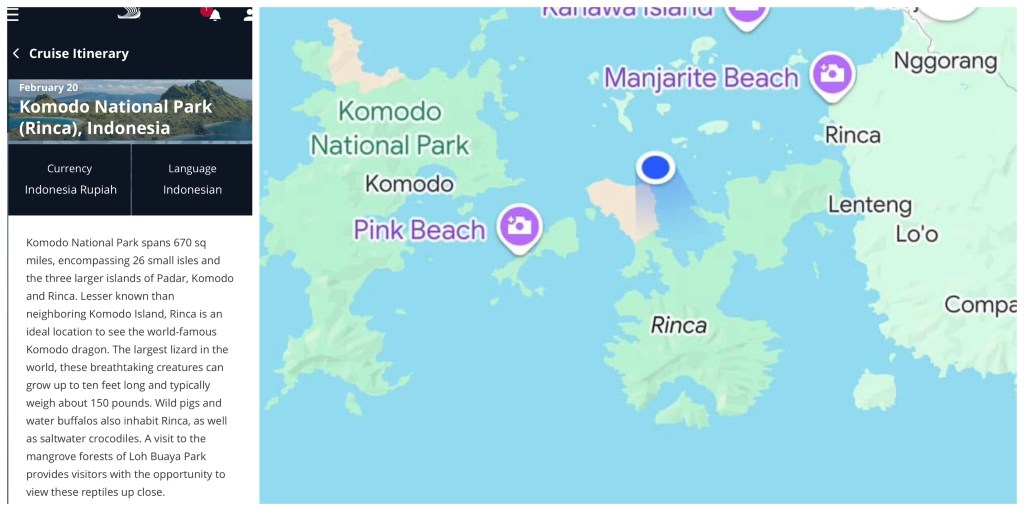
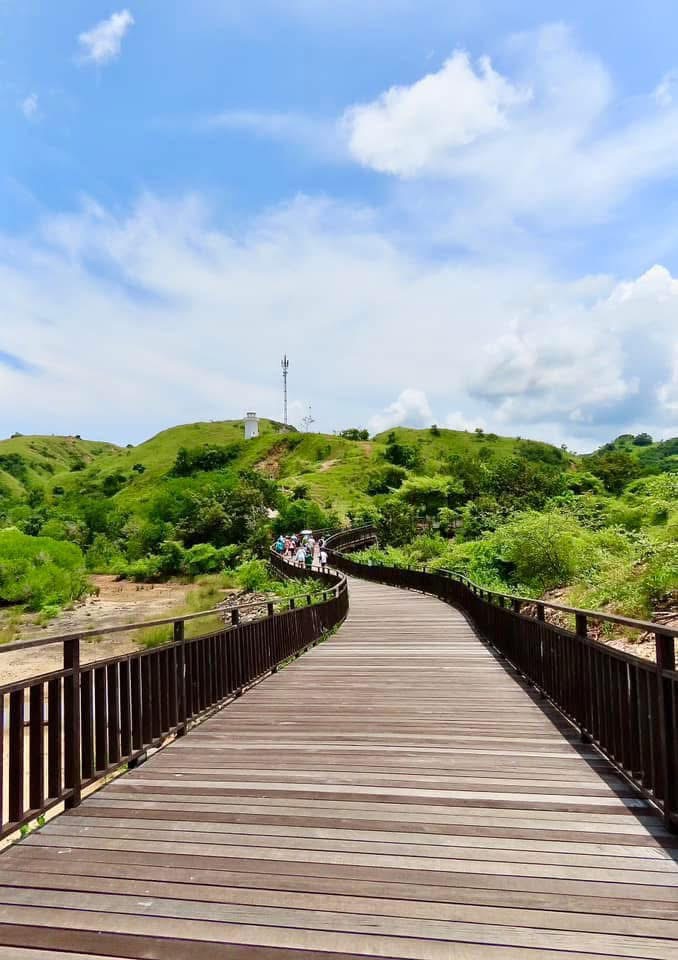
We’re on the eve of a visit to Rinca Island and their Komodo Dragons. We visited Komodo Island on two previous occasions. Currently, it is closed to take the pressure off the Dragons and their environment. Komodo Island was configured so that we could walk among the creatures. We’re told that Rinca has walkways that provide some separation. That’s too bad. It lowers the risk and reduces the opportunity for exciting pictures.





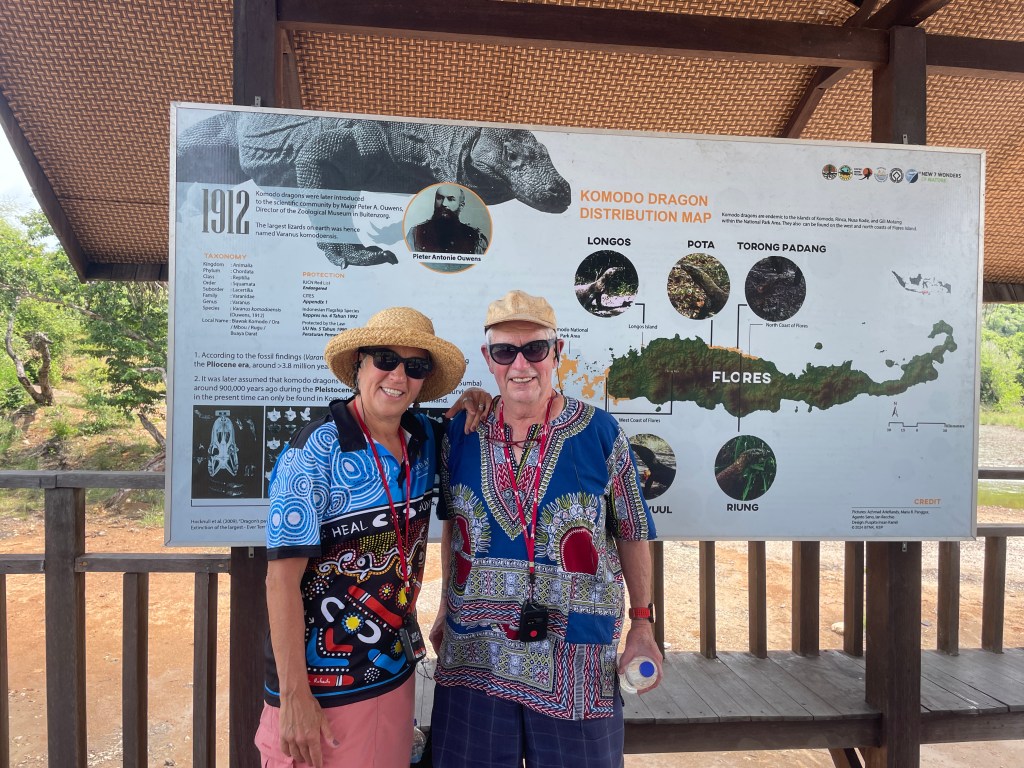
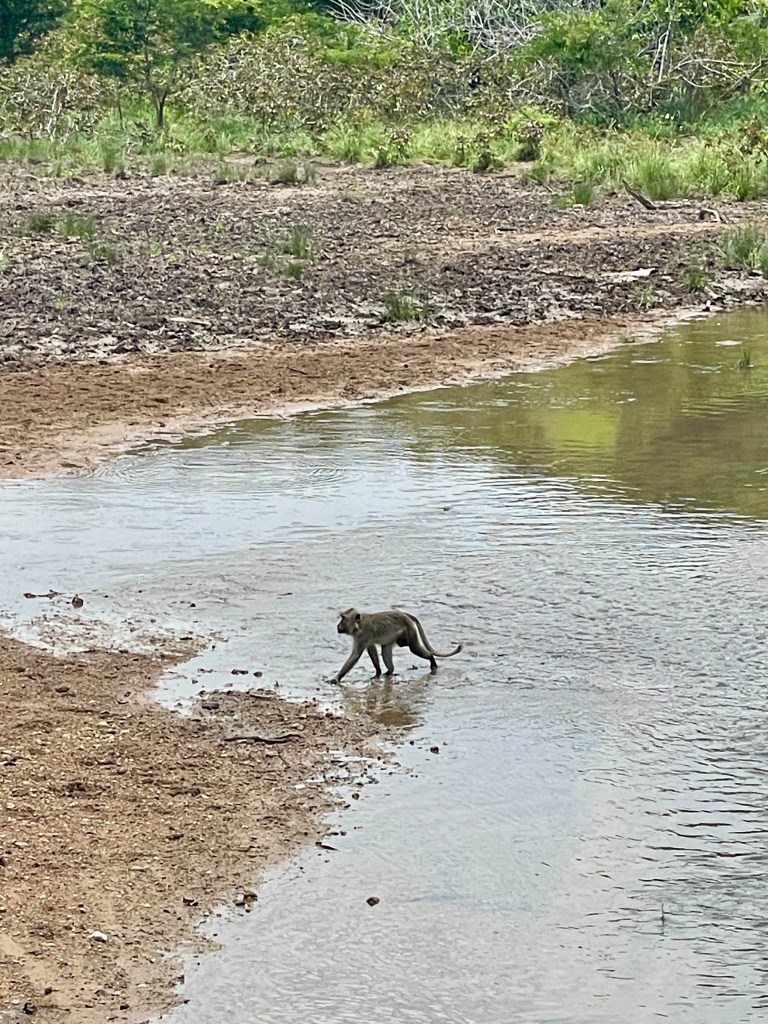
During our pre-port talk on Komodo and Bali, it was clear that we will be entering a different culture with new experiences. We’re not in New Zealand or Australia anymore. (Dorothy.) The lecturer seemed to enjoy the transition and to make the audience squirm a little. He started by talking about large, fast, possibly hungry, man-eating dragons. He moved on to agressive monkeys in Bali. Monkeys that will jump on you, search your pockets for food and possibly bite. His admonition that dragons could smell blood miles away…so be careful if “you’re on your cycle” didn’t seem to worry the group much.
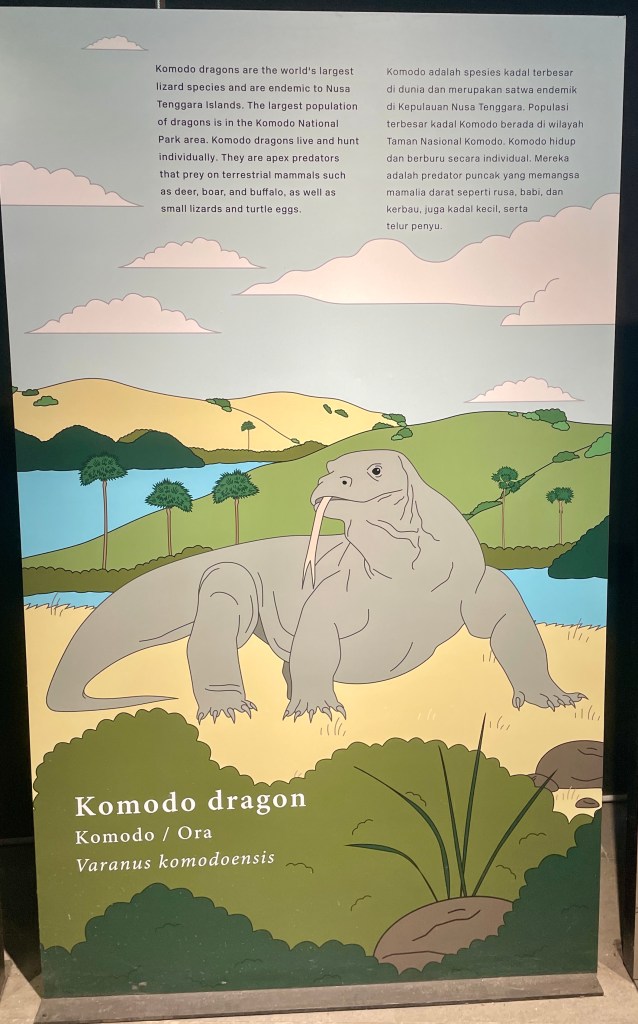
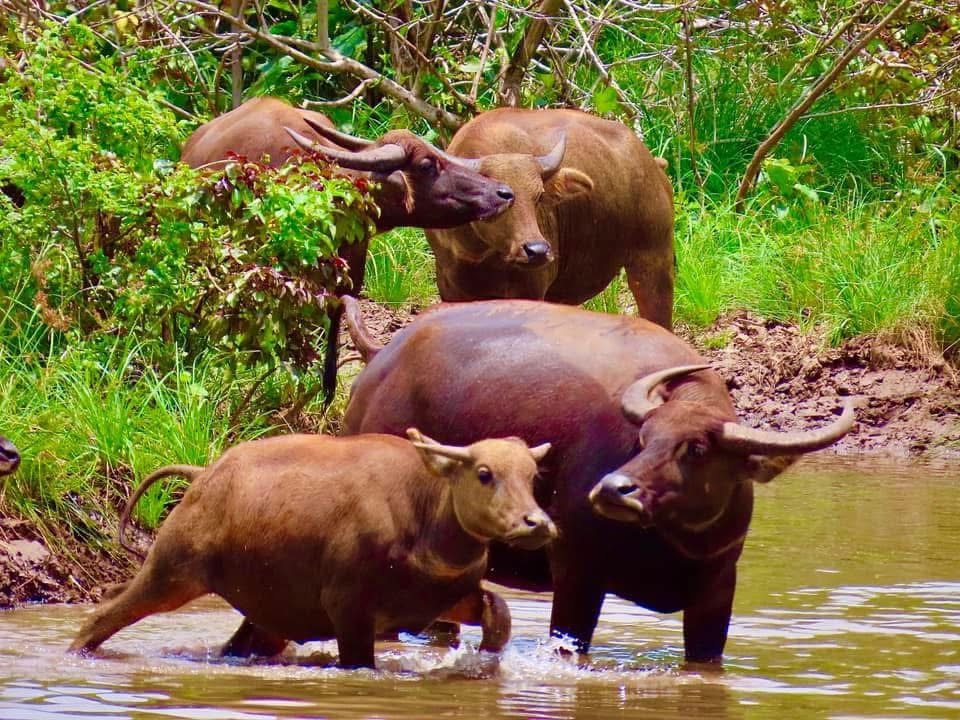
Komodo dragons are the largest of the monitor lizard family. They can grow to be 10 feet long….including a long tail….and 330 pounds. They swim easily and rapidly and, on land, can run 15-20 miles per hour for short distances. With no predators, they’re pretty much in charge. They. can see objects 900 feet away and can smell rotting carcasses within a 5 mile range. They will eat island residents like deer, boar, buffalo, rats, bats and other Komodos. However, they prefer rotting carcasses. This would seem to give them bad breath, but does serve to provide enough bacteria to make their bites result in infections. That may not be relevant since they usually use their serrated teeth to rip off body parts. Additionally, they have venom that slows their prey and makes swallowing easier. They can swallow a deer in minutes without much chewing. Once they digest their meal, they vomit bones, teeth horns and hair in a bundle of mucus. It would make a good video. I wouldn’t recommend eating it, but I bet it would make good soup.

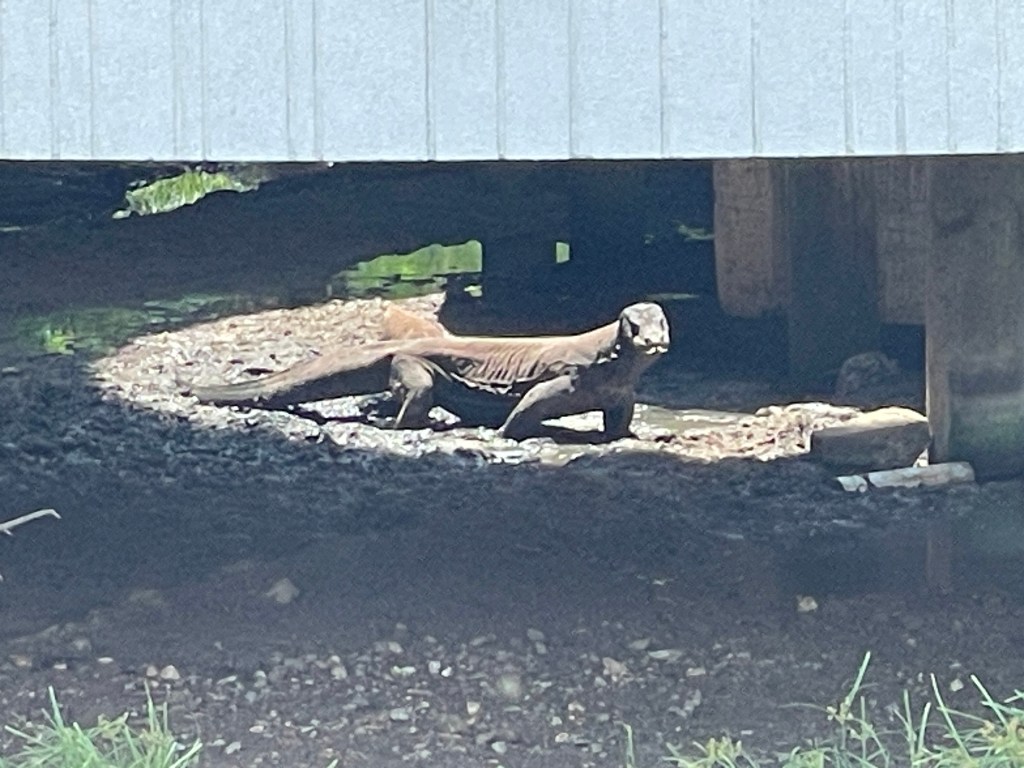
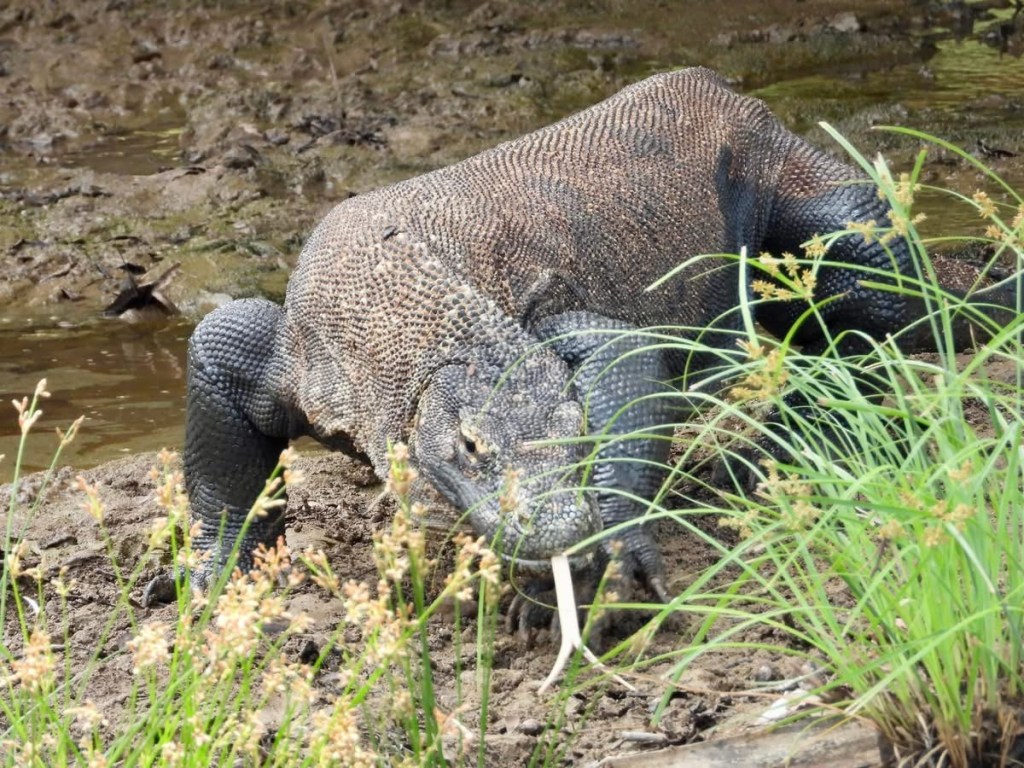
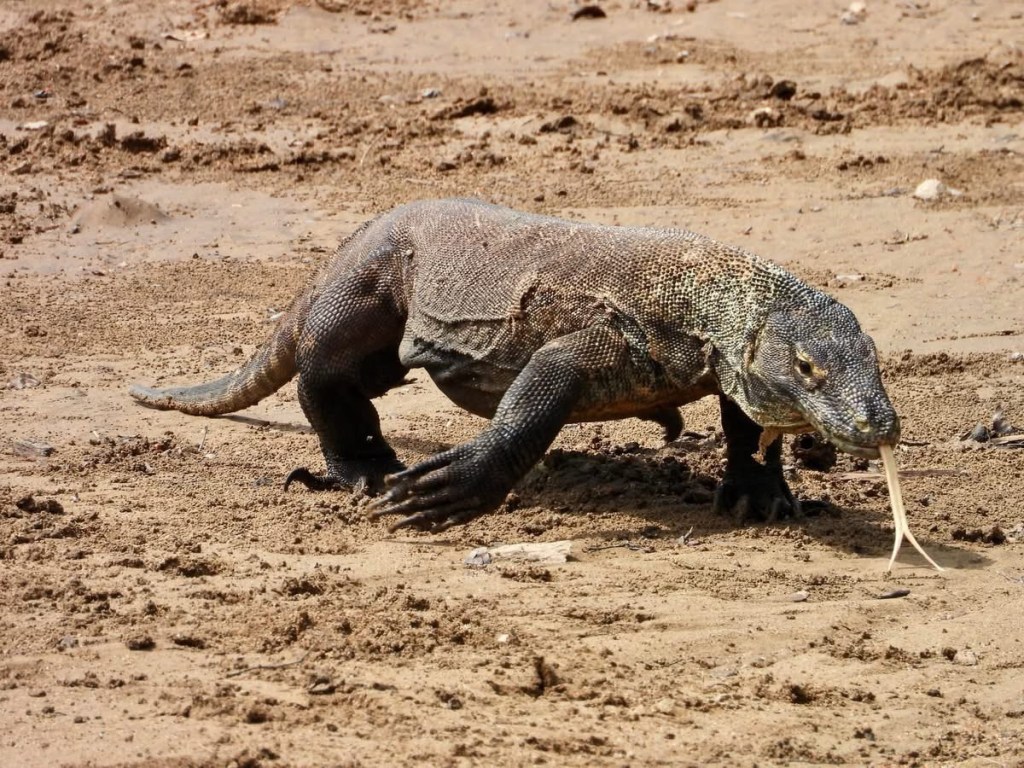

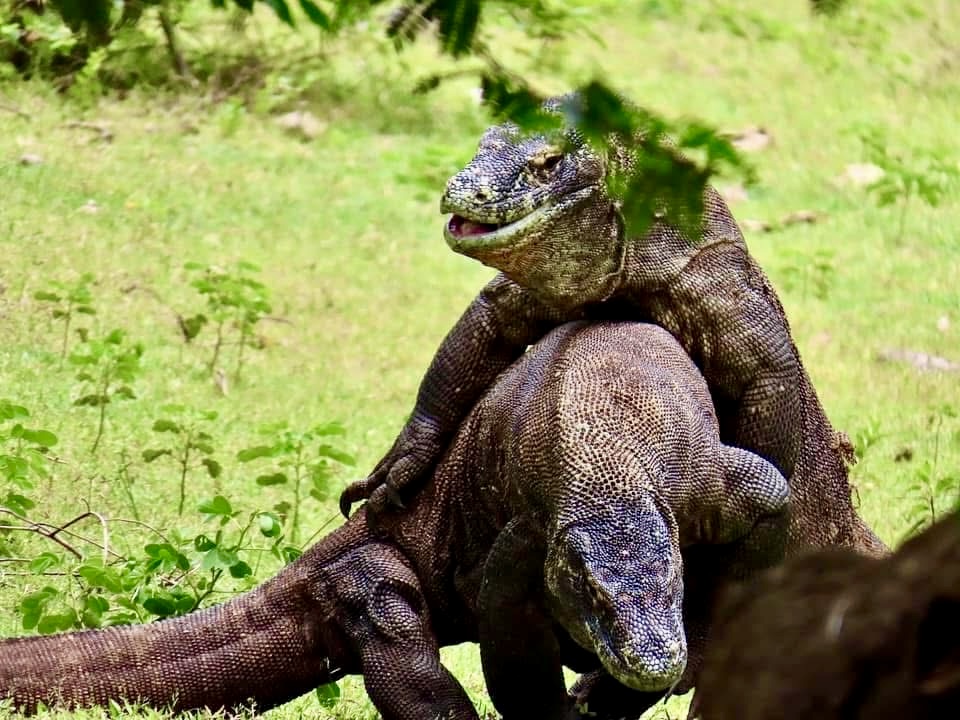
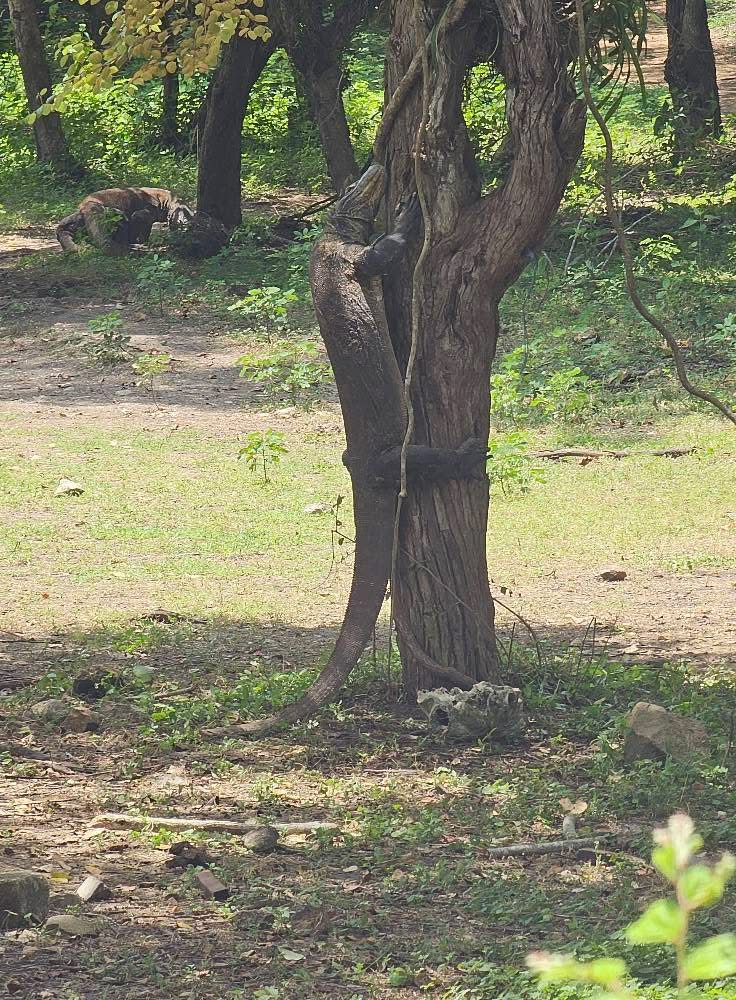
But, there’s a nicer side to the dragons. The moms will dig holes and lay 20-30 eggs.and spend most of 6-8 months sitting on them and protecting them from danger That’s the nice part. When the babies are born, they scurry for trees to climb. Instinctively, they seem to know that there’s a “Mommy Tax.” The mommies will scurry after the newborns and eat those she can catch. The young ones spend most of their time in trees, eating insects, birds and eggs. When possible, they roll in dung to make themselves less appetizing targets. They mature in 8-9 years and become the hunters. When they kill one of the island animals, they usually have to step aside when the adults arrive. The older ones can smell so well that a newly-deceased creature will attract them. They are not recommended as pets.
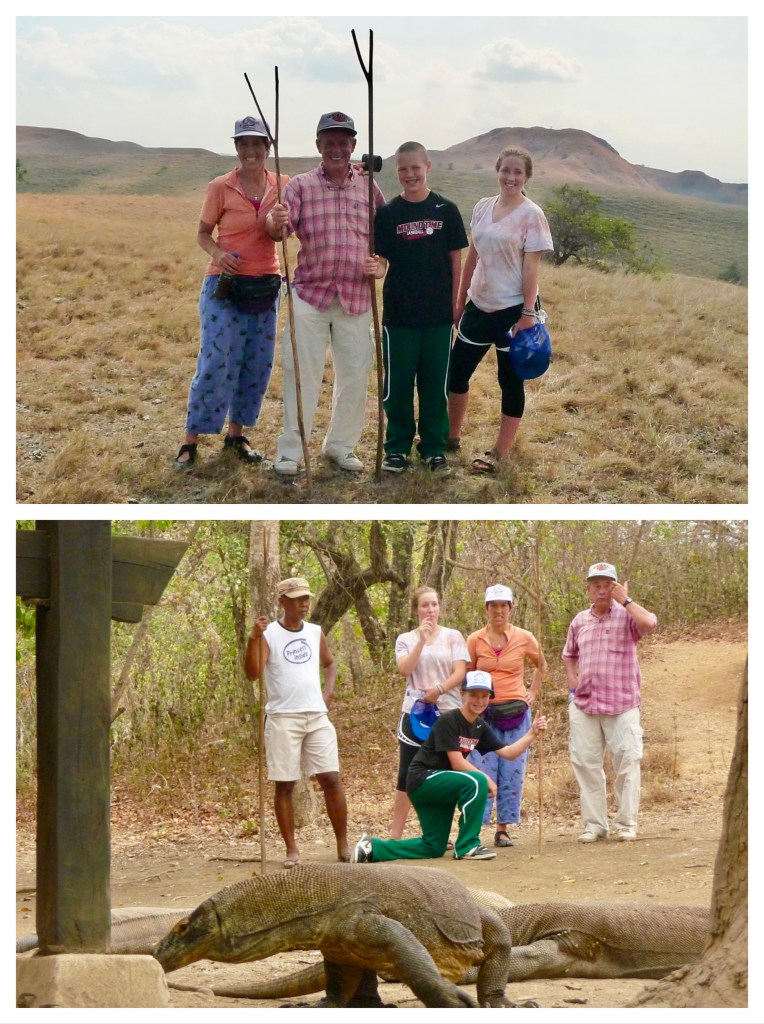
Two related stories: On our 2017 visit to Komodo, when we were walking the island, we were accompanied by teenagers carrying what appeared to be forked hot dog sticks. The sticks were flimsy, but placed on a Komodo snout they seemed to stop them. There was a group of 20-30 passengers watching 3-4 Komodos sunning themselves. When one passenger slipped to the ground, one of them, evidently tired of sunning, started moving rapidly toward him. The sticks worked.
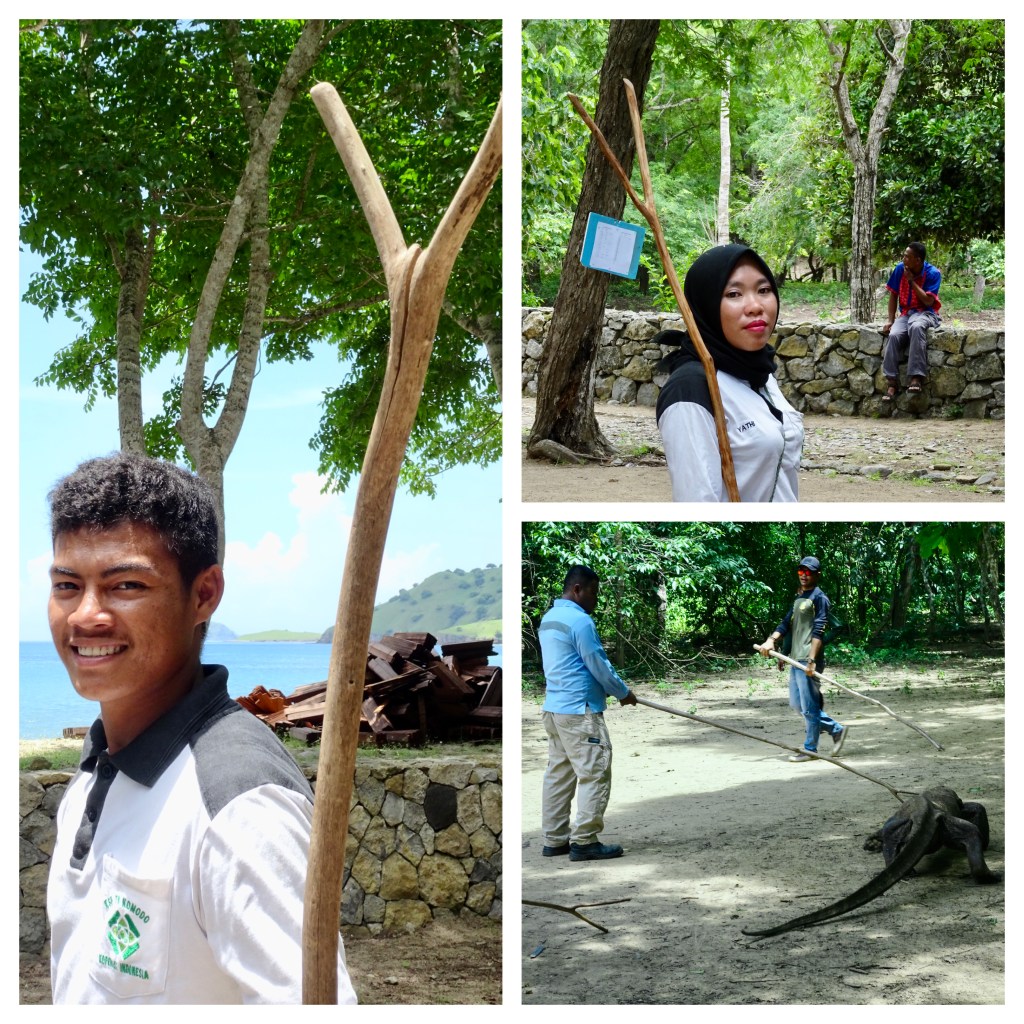
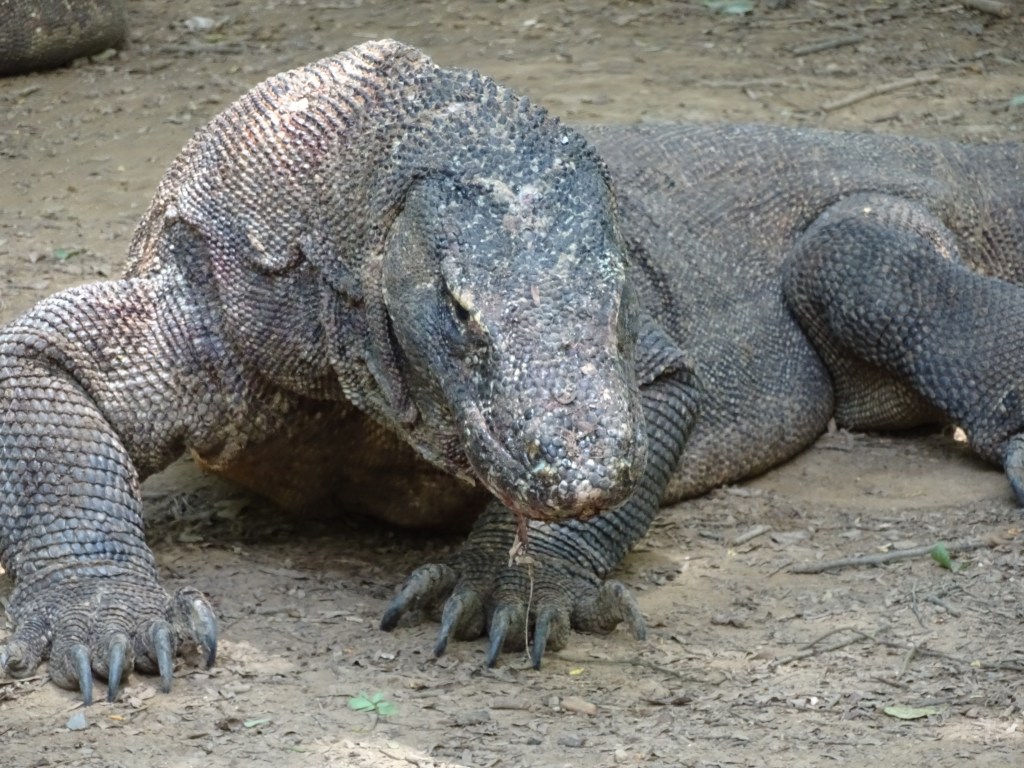
It is advised that individuals not go out walking alone. A photographer on the island decided to go out and see if he could find some good shots. When he didn’t return, some locals went looking for him. They found a camera. They didn’t tell us if he got some good shots.
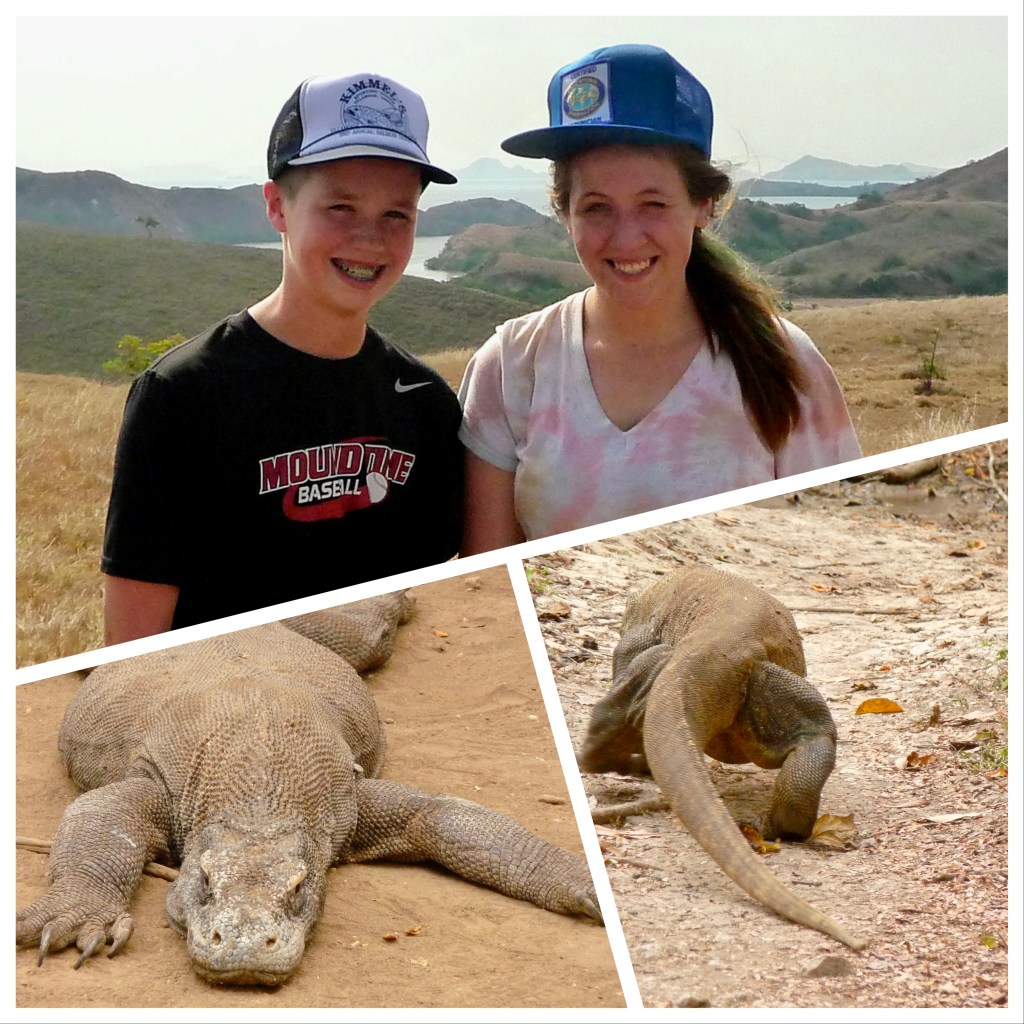
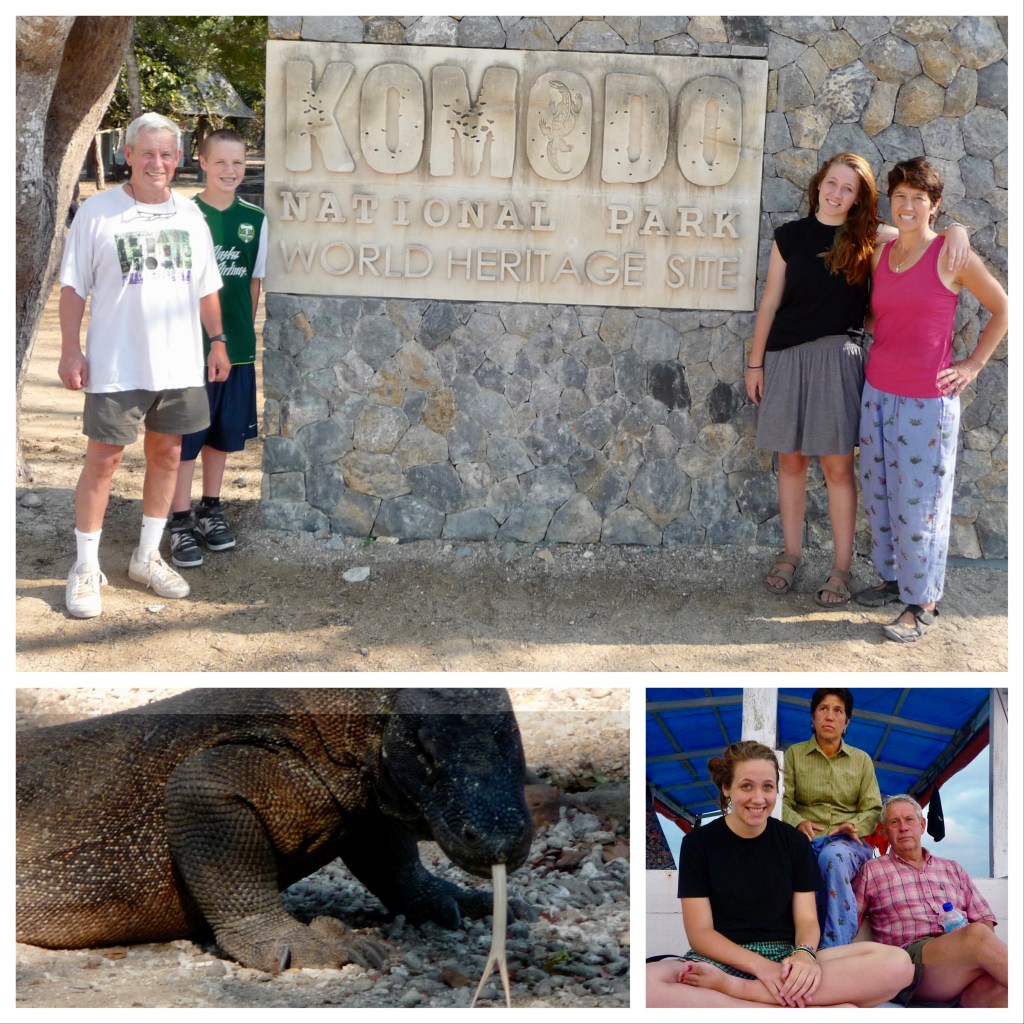
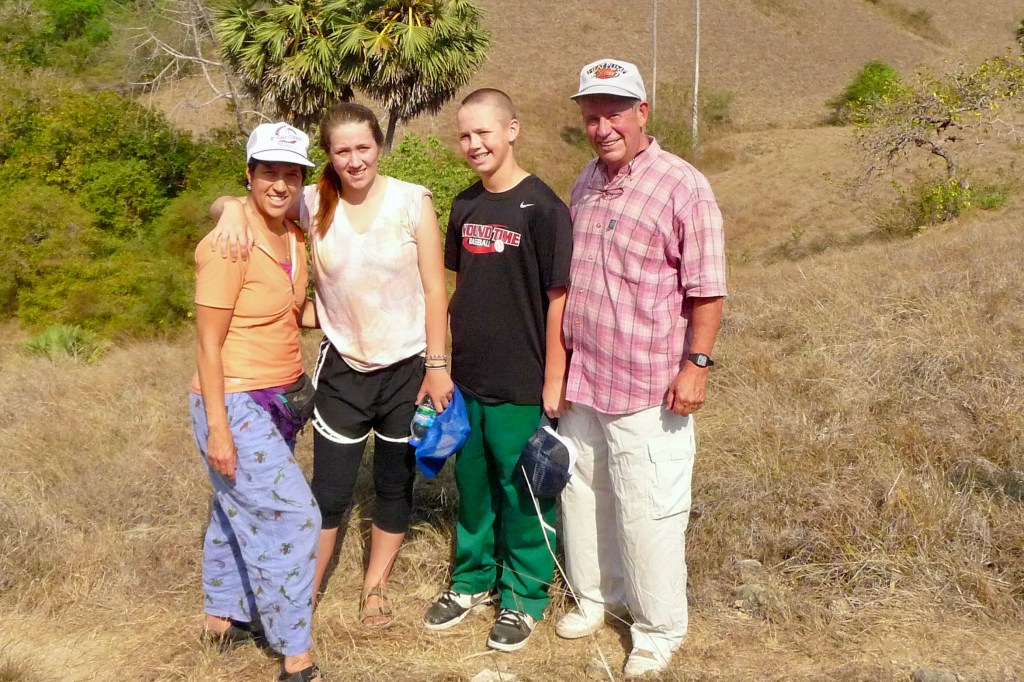
2011 Komodo Island visit with Maddy and Jackson
 Millers World Cruise 2025
Leave a comment